Do you picture sunrise yoga steps from the sea, or a quiet coffee under the canopy before a bike ride to your favorite café? Choosing between Tulum’s beachfront and its jungle-style neighborhoods shapes everything from your morning routine to your maintenance plan. If you are weighing a second home or investment, a clear side-by-side look will help you align lifestyle, access, utilities, and legal details with your goals. In this guide, you will learn what daily life feels like in both zones, what to expect for services and mobility, and the key checks to run before you buy. Let’s dive in.
Tulum at a glance
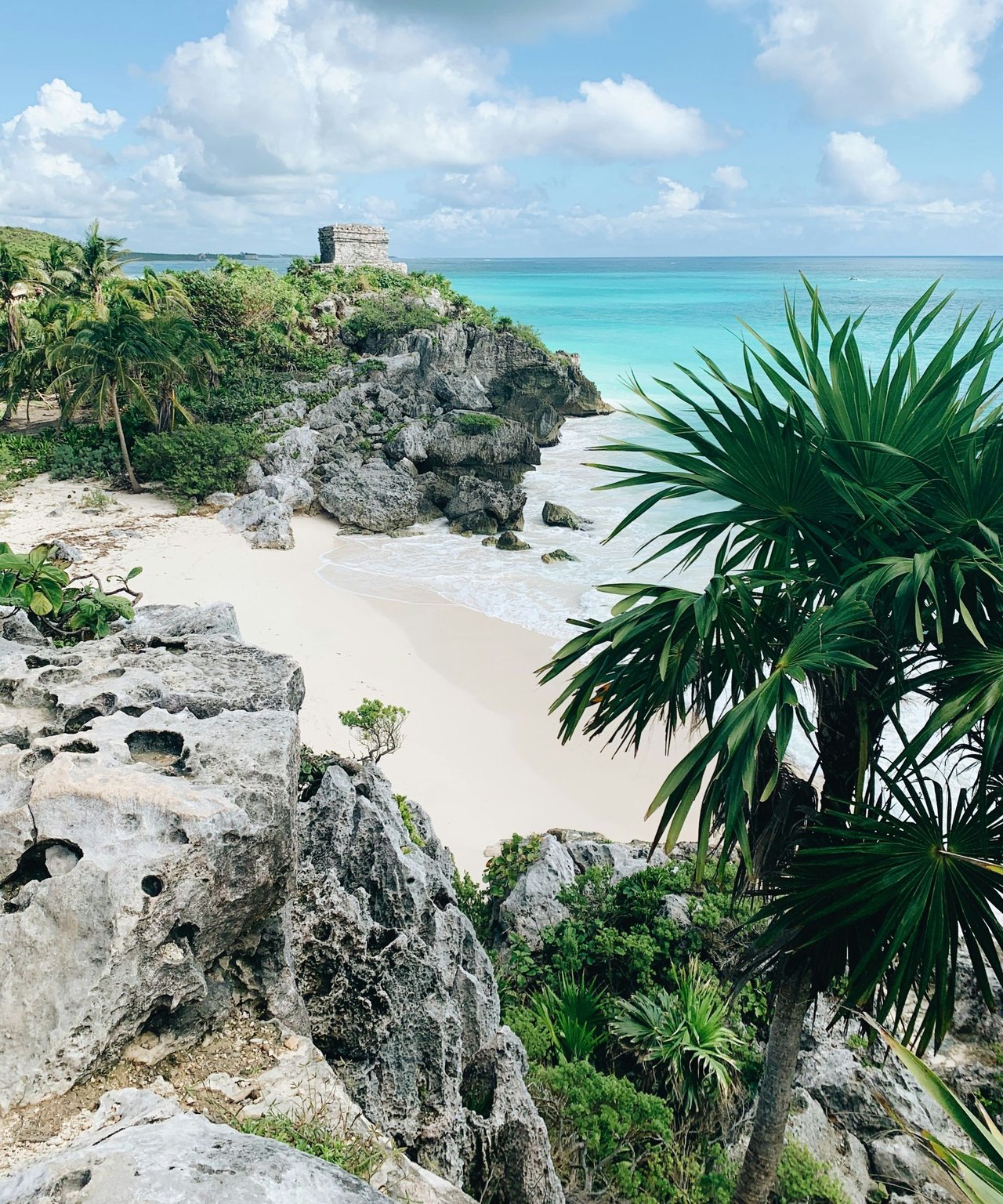
Tulum’s beachfront, often called the Beach Road or Zona Hotelera, is a narrow coastal corridor of resort hotels, beach clubs and destination dining focused on guest experience and immediate sea access. Nearby, master-planned “jungle” communities like Aldea Zama and La Veleta are residential pockets designed with internal streets, bike paths and neighborhood retail for day-to-day living. For context, Tulum Centro, or Pueblo, is the municipal core with more local services and everyday shopping. You can preview these zones in a concise area primer on the Beach Road, Aldea Zama, La Veleta and Pueblo.
Rapid growth has shaped today’s infrastructure and lifestyle dynamics. The municipality recorded about 46,721 inhabitants in the 2020 census, reflecting a fast decade of expansion that still influences roads, utilities and services. You can see population context in official census reporting.
Atmosphere and daily rhythm
Beachfront vibe
Life on the sand skews seasonal and visitor-centric. Days revolve around sunrise swims, palapa-shaded lunches and sunset gatherings, with select venues turning lively at night. Expect a hospitality-forward feel, more event-driven moments in high season, and a steady flow of short-term guests. The Beach Road concentrates beach clubs and high-profile dining that cater to a curated, experiential scene highlighted in the local neighborhood overview.
Jungle community pace
Master-planned neighborhoods offer a quieter, more residential cadence. Many residents are medium-term expats, remote professionals and families who prioritize walkability, bike lanes and day-to-day wellness in smaller studios and cafés. Aldea Zama, in particular, was conceived as a mixed-use, walkable quarter between Pueblo and the beach, with planned green pockets and local retail. You can explore its positioning and master plan on the official Aldea Zama site.
Architecture and home types
Beachfront form and materials
On the coast you will find low-rise, resort-style architecture that blends timber decks, palapa accents and light finishes. Coastal rules and geology favor low profiles and more delicate footprints to protect dunes and the federal ZOFEMAT strip. The look is consistent and intimate, but linear beachfront land commands a premium, and finishes face salt, sun and wind that require vigilant care.
Jungle design and space
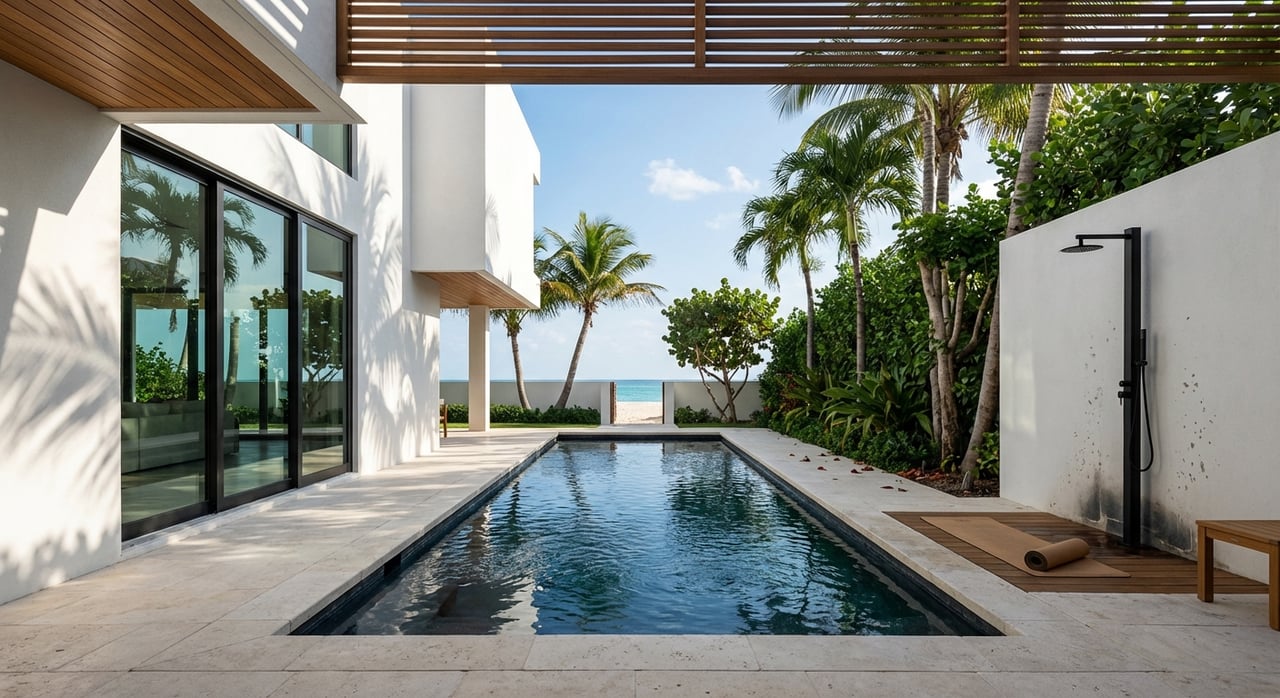
Inland residences tend to be modern condos and villas with concrete and glass softening into foliage. You will see larger setbacks, shaded courtyards and private plunge pools that feel tucked into green. The indoor-outdoor lifestyle stays central, but with more privacy, storage and space per budget compared with the prime beachfront strip.
Getting around and access
Errands and mobility by zone
- Beachfront: You can walk the sand corridor easily, but daily errands usually mean biking or a short taxi into town or a nearby neighborhood for groceries and pharmacies. The strip is built for guests, not full-service living.
- Jungle communities: You are closer to small markets, cafés and wellness studios by foot or bike. Many newer neighborhoods were planned with bike lanes and pocket retail to make daily life simpler.
Regional trips and connections
Cancún International Airport is still the primary gateway, with typical drive times of roughly 1.5 to 2 hours depending on traffic. See practical timing notes in this Cancún to Tulum guide. The new Tren Maya added rail connectivity with a Tulum station as part of phased openings, which is changing travel patterns. For current timetables and status, check regional Tren Maya updates.
Utilities and services that matter
Water and wastewater
Infrastructure is an active concern across the region. Municipal sewer coverage remains limited in parts of the Tulum area, and many properties rely on on-site treatment solutions. Planning documents and public reporting emphasize the need to verify how each development handles wastewater and whether it connects to municipal service where available. For context on regional planning and service gaps, review the Peninsula water and sanitation overview.
What this means for you: treat wastewater capacity and permitting as a deal-shaping factor. Inland master-planned areas were often designed to plug into more reliable services sooner than isolated beachfront parcels, but every address is different. Ask for permits and recent environmental compliance records.
Electricity and internet
Many residences in Aldea Zama and other planned pockets advertise stable grid power and fiber availability. By contrast, some smaller or more remote beachfront venues still use generators or hybrid systems. Always confirm providers and speeds at the exact address. Listings in developed neighborhoods regularly highlight fiber as an amenity, as seen in Aldea Zama property materials.
Healthcare and daily services
Clinics, pharmacies and boutique groceries are more concentrated in Pueblo and residential pockets like Aldea Zama. For higher-complexity care, many residents use larger hospitals in Playa del Carmen or Cancún. If you live on the sand full-time, plan on recurring trips into town for routine services.
Wellness, dining and social life
Beachfront experiences
The Beach Road hosts destination restaurants, beach clubs and retreat-style wellness. Think sunrise yoga by the water, chef-driven dinners under the palms and curated spa programs. It is a visitor-forward scene where venues shift with seasons and trends, so expect a dynamic, sometimes transient lineup.
Neighborhood cafés and routines
Inland, wellness feels woven into weekly life. You will find neighborhood yoga classes, small organic markets, family-friendly cafés and casual dining you can reach by bike. Aldea Zama and La Veleta have evolved into daily-life hubs where you can blend work, errands and wellness without leaving the neighborhood.
Buyer path and legal basics
Who tends to live where
- Beachfront often attracts vacation homeowners and investors focused on lifestyle and hospitality-driven rental potential. Owners may use the property part-time and prioritize sea access and club proximity.
- Jungle communities draw longer-term residents, remote workers and families who want walkability, easier access to services and a quieter day-to-day rhythm.
Fideicomiso in simple terms
Foreign individuals buying in Mexico’s coastal “restricted zone” typically use a fideicomiso. A Mexican bank holds title as trustee, and you are the beneficiary with rights to use, sell and inherit. Trusts are commonly set up for 50 years and are renewable, with setup and annual trustee fees and an SRE permit. For a clear overview, see this guide to understanding the fideicomiso.
Risk and due diligence checklist
Before you commit to a specific property, verify the following so your lifestyle and investment remain aligned:
- Ownership structure: If the home is within the coastal restricted zone, confirm the required fideicomiso and expected bank fees. Start this conversation early with your closing team. Refer to the fideicomiso explainer.
- Wastewater and permits: Ask for the property’s wastewater solution and environmental permits. Confirm there is no record of sanctions. Regional planning notes highlight coverage gaps that make this a must-check. See the regional sanitation overview.
- Utilities on-site: Do not assume. Confirm grid connectivity, fiber availability, and any generator or water system details at the exact address. Property materials for developed neighborhoods often specify fiber, as shown in Aldea Zama listings.
- Insurance and storm planning: Ask about structural reinforcement, typical hurricane insurance options and evacuation procedures for beachfront vs inland homes.
- Short-term rental rules: Regulations and enforcement can change. Confirm municipal registration status if you plan to rent. There have been local enforcement actions tied to permitting and environmental issues, including a case of closures related to cenote access and water extraction reported by the Tulum Times.
Which lifestyle fits your goals
Choose the beachfront if you want an immersive, sea-first lifestyle with immediate beach access and destination dining. Expect higher maintenance, seasonal energy and more trips into town for daily errands. Pick a master-planned jungle community if you value walkable errands, neighborhood wellness and a quieter routine with more space for the budget. Either way, two checks are non-negotiable: verify wastewater and environmental permits, and confirm your ownership vehicle if you are a foreign buyer.
Ready to explore properties that match your lifestyle and investment criteria in Tulum? Connect with the concierge team at ÉLEVÉE Legacy Collection to Schedule Your Private Tour.
FAQs
Is beachfront living walkable for daily errands in Tulum?
- You can walk between beach clubs and restaurants, but most groceries, pharmacies and clinics are in town or residential pockets, so expect bike or taxi trips for routine errands.
How reliable is internet in Aldea Zama and La Veleta?
- Many planned neighborhoods advertise stable grid power and fiber, but availability varies by building, so confirm providers and speeds at the exact address before you buy.
What is a fideicomiso for foreign buyers in Tulum?
- It is a bank trust used in Mexico’s coastal restricted zone where a Mexican bank holds title and you are the beneficiary with full rights; it is typically a 50-year, renewable arrangement.
How far is Tulum from Cancún Airport, and is Tren Maya an option?
- Typical drive times are roughly 1.5 to 2 hours by car or shuttle, while the new Tren Maya has phased openings with a Tulum station; check current schedules before you travel.
What environmental or permitting issues should I check before buying?
- Verify the property’s wastewater system and environmental permits, ask for any sanction history, and confirm short-term rental compliance if you plan to host guests.