If your perfect beach day could also be a smart addition to your portfolio, would you explore it? If you are weighing a luxury second home in the Riviera Maya, you are balancing lifestyle, rental income, and cross‑border logistics. This guide breaks down how the second‑home market works here, how it differs from primary‑residence buying, what drives pricing, and how to time and value a purchase. You will also get a practical checklist to move from browsing to confident action. Let’s dive in.
The Riviera Maya at a glance
The Riviera Maya runs south from Cancún International Airport through Puerto Morelos, Playa del Carmen, Akumal, and Tulum to the Sian Ka’an area. Each node draws different buyers based on access, services, and the kind of experience you want. Proximity to the airport, tourism infrastructure, and environmental rules all shape value and inventory.
Cancún and Puerto Morelos
You get the closest access to Cancún International Airport here, plus established resort and hospitality infrastructure. Short‑stay tourism is strong, and high‑end resorts anchor demand. If you want quick weekend usability with straightforward access, these submarkets often rise to the top.
Playa del Carmen
Playa del Carmen offers the deepest mix of amenity‑rich condos and services. You will find strong retail, dining, and health services that support long stays. The area’s liquidity can be attractive if you value more choice and an active resale market.
Akumal and nearby coves
Calmer waters and family‑friendly activities draw villa and lot buyers to Akumal and surrounding areas. Divers and snorkelers appreciate the marine life. Inventory here leans more toward villas and custom builds.
Tulum and Sian Ka’an
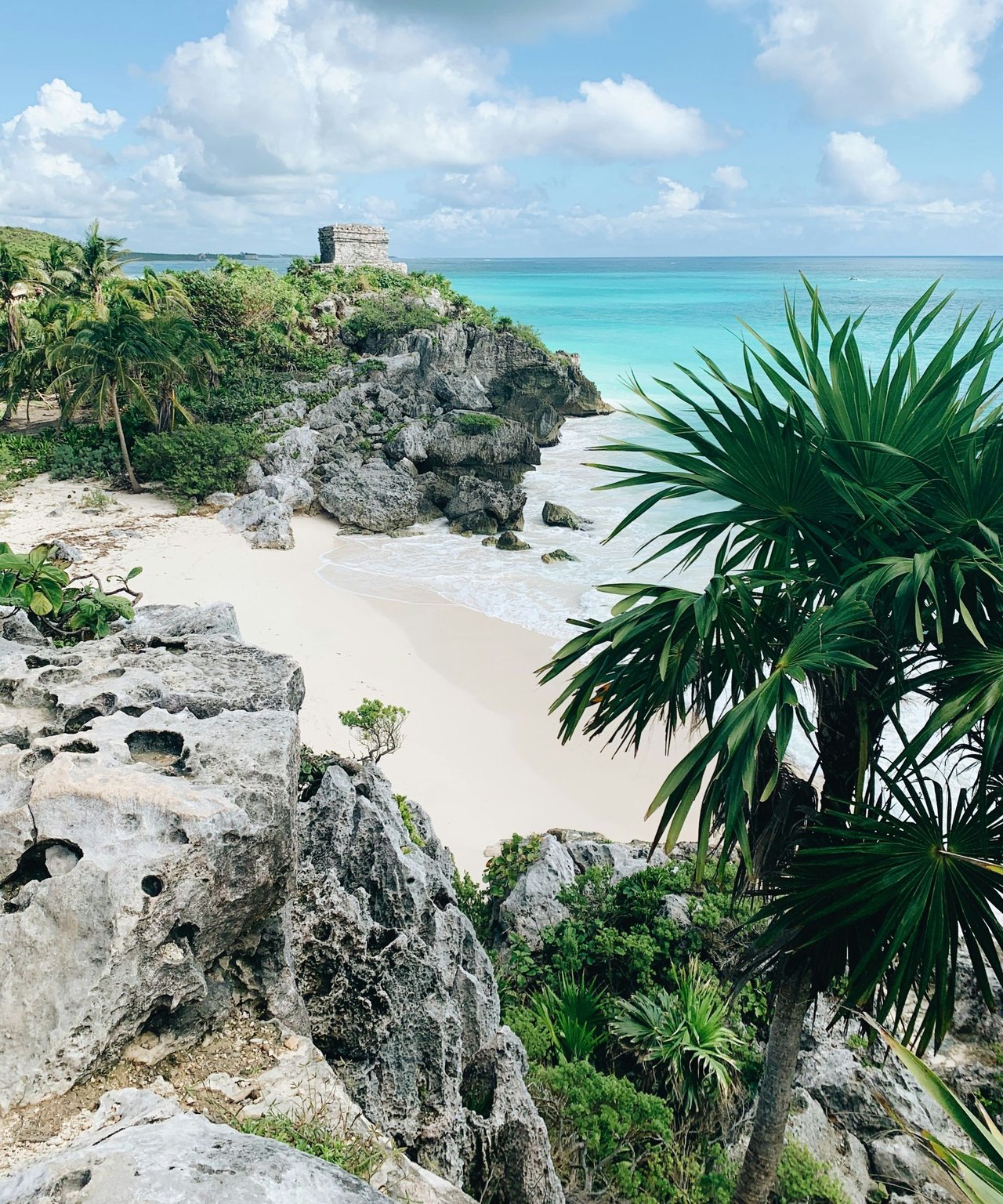
Tulum blends eco‑luxury with boutique branding. Regulations around archaeological and environmentally sensitive zones are strict, and prime beachfront or near‑beach land can command higher per‑square‑meter prices. South toward Sian Ka’an, conservation rules limit density and preserve scarcity.
How second‑home luxury behaves differently
Second‑home buyers usually prioritize vacation use, access to amenities, rental income potential, and long‑term appreciation. Many purchase with cash and hold for lifestyle and occasional rental yield. You are more likely to pay a premium for turnkey product, privacy, and brand reputation.
Primary‑residence buyers focus more on daily services, commutes, year‑round livability, and financing options. In contrast, your second‑home decision may value aesthetic quality and the ease of a managed property over marginal price per square meter.
On negotiation, second‑home buyers often accept premiums for location, amenities, and developer reputation. Operating costs, short‑term rental rules, and property management support matter more than granular price savings when the property fits your lifestyle brief.
What drives price in Riviera Maya luxury
- Waterfront proximity and views. Beachfront or near‑beach positioning is the top premium driver. Even a small shift away from the water can matter.
- Developer brand and affiliations. Branded residences and reputable developers carry premiums due to perceived quality, rental programs, and resale liquidity.
- Private amenities and services. Pools, beach clubs, concierge, dining, security, and HOA service levels shape value for turnkey second‑home use.
- Access and convenience. Faster travel to the airport, solid road quality, and nearby dining, shopping, and medical services increase usability.
- Environmental and regulatory certainty. Clear permits, reliable infrastructure, and lower development risk add value.
- Beachfront scarcity. Limited supply and conservation rules support price stability for prime shoreline.
Product types and what to watch
Beachfront villas and houses
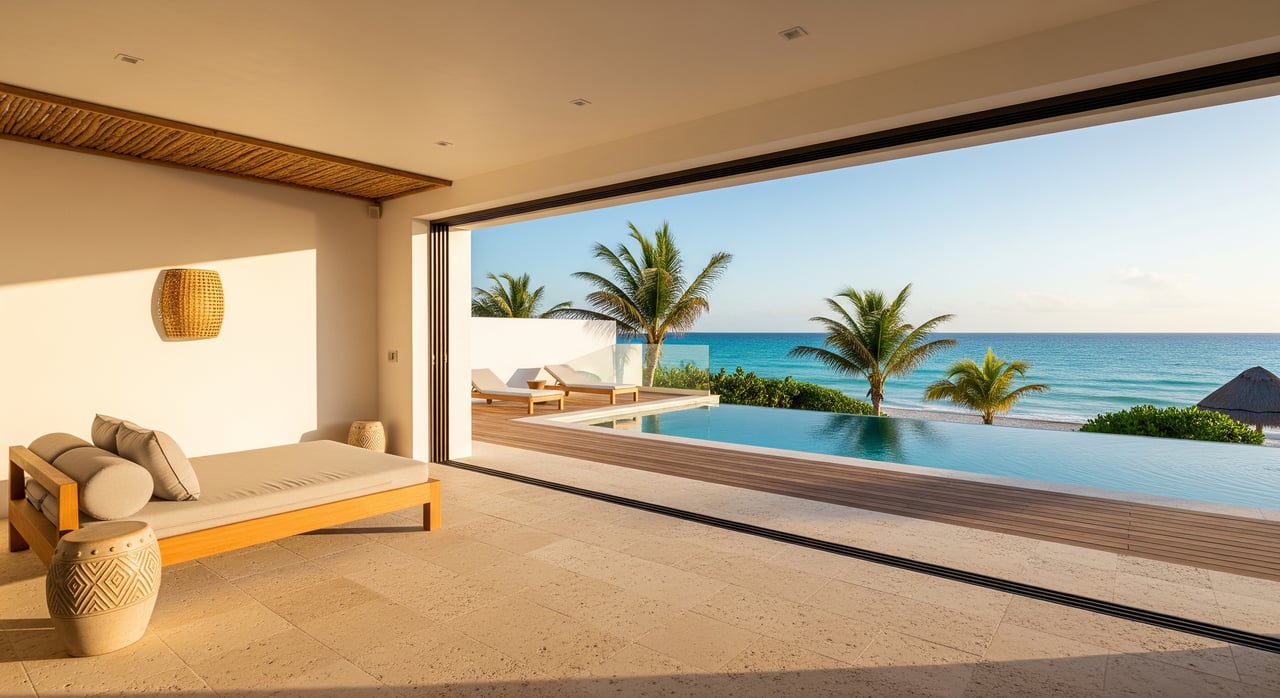
These properties score the biggest premiums for direct beach access, lot width and orientation, and mature landscaping. Resale value can be sensitive to coastal erosion patterns and beach access rights. Due diligence on shoreline history and drainage is essential.
Luxury condos in resort settings
Amenity packages, developer track records, and rental program terms lead the conversation. Many second‑home owners prefer this format for turnkey maintenance and on‑site management. Review HOA fees, special assessment history, and unit layouts that perform well for both personal stays and rentals.
Branded and fractional residences
Brand recognition and the operator’s marketing reach affect occupancy and average daily rate. If rental income matters to you, examine actual historical performance and contract terms, not just pro formas. Understand owner‑use calendars and any restrictions.
Land and custom lots
Lot purchases are more speculative and depend on future value, zoning, and proximity to planned infrastructure like the Tren Maya. Factor in permitting timelines, utility access, and construction costs. The upside can be real, but development risk is higher.
Eco‑luxury and boutique projects
Sustainability credentials and low‑impact design can command premiums in Tulum and similar nodes. Expect more scrutiny near archaeological zones and protected areas. Confirm approvals and compliance before you commit.
Seasonality, rentals, and timing
Peak tourism typically runs from mid‑December through April. This period brings higher occupancy, stronger nightly rates, and the best short‑term rental performance. Holiday weeks such as Christmas, New Year, and Spring Break are the highest‑yield windows.
Low season stretches through summer and the hurricane months. From June to November, occupancy and rates soften. This can be a buyer’s advantage, since developers and sellers may offer incentives or flexible terms to stimulate sales.
May and November often act as shoulder periods with transitional demand. Many listings launch or see more showings in spring and fall. Closings tend to cluster after high visitation months when interested buyers return or wire funds.
Underwriting rental potential the right way
- Use seasonally adjusted occupancy and ADR data instead of simple annual averages.
- Include professional property management fees, HOA dues, utilities, insurance, and cleaning and turnover costs.
- Check HOA or condo bylaws for short‑term rental rules and any licensing needs.
- If you are considering a branded program, ask for historical occupancy and rate data along with owner statements.
Legal and closing basics for foreign buyers
Mexico’s coastal “restricted zone” limits direct foreign ownership. Most international buyers acquire through a bank trust, called a fideicomiso, or a Mexican entity. A local notary and legal counsel will guide the structure and steps.
Plan for closing costs that include notary fees, transfer taxes, and registration, along with ongoing local property taxes. If you plan to rent, know that rental income is subject to Mexican tax rules, which may require local registration and specific VAT or income tax treatments. Your tax advisor should be familiar with cross‑border implications.
Zoning, archaeological buffers, and environmental rules are significant in parts of Tulum and the Sian Ka’an area. Confirm permits, density, and land‑use designations before you offer. Regulatory clarity is a value driver and a risk reducer.
A practical valuation checklist
- Clarify your main objective. Decide how you will use the home, your rental income goals, and your hold period.
- Rank your top value drivers. For many second‑home buyers, beachfront proximity, brand and amenities, airport access, rental program quality, and regulatory certainty lead the list.
- Underwrite conservatively. Use seasonal rental data, realistic expense loads, and vacancy assumptions.
- Verify the legal and financial framework. Confirm title, ownership structure, permits, HOA bylaws, and any special assessments.
- Validate the developer and the build. Review track record, delivery timelines, and warranty processes.
- Inspect with local realities in mind. Focus on drainage, hurricane resilience, coastal erosion, and infrastructure access.
- Time your offer. Explore negotiations in low tourist months to capture incentives or flexibility.
Who is buying and what they value
North American second‑home buyers often purchase for family use and seasonal escapes and may pay cash for speed and simplicity. Latin American and European buyers come for lifestyle and longer winter stays, sometimes prioritizing privacy or turnkey services. Investors and hospitality operators zero in on yield, occupancy history, and management structures.
Remote workers and lifestyle relocators gravitate to service‑rich locations like Playa del Carmen for community and convenience. Primary relocation buyers will ask more about healthcare and year‑round services. Match your submarket to your use case for better long‑term satisfaction.
What to know about the Tren Maya
Major infrastructure projects can change accessibility and shape demand. The Tren Maya and road upgrades may improve regional mobility and encourage speculative buying near planned stations. Timing, environmental considerations, and politics introduce uncertainty, so weigh upside against permitting and delivery risks.
How ÉLEVÉE Legacy Collection helps you
You deserve a curated process that feels as seamless as your first sunset in your new home. ÉLEVÉE Legacy Collection focuses on selective, hospitality‑grade properties across the corridor, from branded hotel residences and penthouses to beachfront villas and gated estates. You get bilingual, white‑glove guidance on the steps that matter most to cross‑border buyers.
Here is how we simplify it for you:
- Curated inventory that aligns with your lifestyle and rental goals.
- Foreign‑buyer education, including fideicomiso guidance and closing support with a local notary.
- Evaluation of developer financing options and introductions to property managers.
- Rental program review, HOA bylaw checks, and due diligence that prioritizes regulatory clarity.
- Digital showings, professional materials, and concierge coordination for turnkey delivery.
When you are ready to elevate both lifestyle and legacy, our team is ready to lead the way.
Ready to walk a shortlist that fits your brief? Schedule Your Private Tour with ÉLEVÉE Legacy Collection at eleveerealty.com.
FAQs
What makes the Riviera Maya second‑home market different from primary markets?
- Second‑home buyers prioritize lifestyle use, rental income potential, and brand amenities, often paying cash and accepting premiums for beachfront, convenience, and turnkey services.
How does seasonality impact rental income in the Riviera Maya?
- Rental demand is highly seasonal, with peak performance from mid‑December through April and softer occupancy and rates from June to November.
Are foreigners allowed to own Riviera Maya beachfront property?
- Yes, but in the coastal restricted zone you typically buy through a bank trust, called a fideicomiso, or a Mexican entity with guidance from a local notary and attorney.
What financing options do international buyers usually use?
- Many pay cash or use developer financing; mortgages for foreigners exist but can be more limited and carry stricter terms than in home countries.
Which submarket tends to offer more resale liquidity?
- Playa del Carmen generally has deeper condo inventory and a broader buyer pool, which can support liquidity compared to scarcer prime beachfront villa segments.
Is beachfront always the best investment in the Riviera Maya?
- Beachfront is scarce and premium, but it can carry environmental and permitting risks; near‑beach properties sometimes offer a better balance of price, rental demand, and risk.
How could the Tren Maya influence property values?
- Improved accessibility may lift demand near stations, but political, environmental, and timing uncertainties mean you should weigh potential upside against permitting and delivery risks.