Choosing where to live in Tulum is not just about picking a property. It is about choosing how your days will actually feel once you are here. If you are buying a second home, planning part-time use, or looking for a lifestyle-driven investment, understanding Tulum’s main residential zones can help you avoid a mismatch between the property and the life you want. Let’s dive in.
Why Tulum location matters so much
Tulum works as two connected environments: the pueblo and the playa. Avenida Cobá links the town side to the coast, but daily life can feel very different depending on which side of that divide you choose.
That matters because Tulum is still evolving. Municipal planning and public works records show continued attention to roads, paving, drainage, lighting, and urban services, and regional planning documents have noted that only part of the road network was paved during the study period. In simple terms, your experience can change a lot from one zone, and even one block, to the next.
Tulum also has a young and mobile local profile. INEGI census materials for 2020 show 46,721 residents in the municipality, a median age of 26, and migration driven mainly by work. That helps explain why Tulum often feels active, service-oriented, and in motion.
For many buyers, access has also changed. The Aeropuerto Internacional de Tulum Felipe Carrillo Puerto was declared an international aerodrome in late 2023, making arrivals easier for owners and guests than in the pre-2023 setup.
Centro offers everyday ease
If your priority is practical living, Centro is often the clearest fit. Avenida Tulum is the main commercial spine, with wide sidewalks, restaurants, shops, and services, and the downtown core is compact enough to explore on foot or by bike.
For part-time owners, that convenience can shape the entire ownership experience. Grocery runs, casual dining, transport connections, and day-to-day errands tend to be simpler here than in the beach corridors. If you want a home base that supports low-friction living, Centro stands out.
Municipal maintenance records also show recurring street repair and urban image work in Centro during 2025. That reinforces an important point: downtown is active and functional, but it is still part of a city being continuously improved.
Who Centro suits best
Centro can be a strong match if you value:
- Walkability for daily errands
- Easier guest logistics
- Access to restaurants and services
- A more local, town-based lifestyle
- Less dependence on a car for everyday routines
For buyers considering personal use with occasional guest stays, Centro can offer a practical balance of access and usability.
Aldea Zama balances polish and access
Aldea Zama often appeals to buyers who want a middle ground between town convenience and a more lifestyle-oriented setting. Municipal tourism reporting describes it as a representative colony with a lively image tied to gastronomy, commerce, and hotels.
It is also positioned as one of Tulum’s newer residential areas, a few blocks from the main drag. That makes it attractive for buyers who want easier access to both everyday services and the visitor-facing side of Tulum without committing to the beach corridor itself.
Municipal records also show ongoing lighting and street maintenance in Aldea Zama. From a lifestyle perspective, this can translate into a more orderly and residential feel than some inland transitional areas, while still keeping you connected to the broader Tulum experience.
Why buyers gravitate to Aldea Zama
Aldea Zama often works well if you want:
- A polished residential setting
- Access to dining and commerce
- A location between town and beach-oriented activity
- A lifestyle that feels convenient but not overly urban
- Good usability for both personal stays and guests
For many international buyers, this zone aligns well with the desire for a turnkey feel without sacrificing location efficiency.
La Veleta reflects Tulum in progress
La Veleta shows Tulum’s evolving character more visibly than some other zones. Public records from 2024 and 2025 show drainage, sewer, paving, asphalt work, and street repair tied to the colonia, which strongly suggests a neighborhood still being built out block by block.
That can be a positive or a drawback, depending on your priorities. Some buyers see opportunity in newer product, more residential surroundings, and the possibility of finding value compared with more established locations. Others may prefer areas with a more consistent streetscape today.
The key in La Veleta is not to think in broad labels. Street-by-street review matters here because conditions and feel can vary more than they do in more established parts of Tulum.
When La Veleta makes sense
La Veleta may be worth a close look if you are comfortable with:
- A neighborhood still refining its infrastructure
- More variability from block to block
- A less resort-like, more residential atmosphere
- Seeking newer inventory
- Prioritizing value alongside lifestyle potential
For buyers who can look past a transitional streetscape, La Veleta may offer compelling options.
Beach corridors prioritize experience first
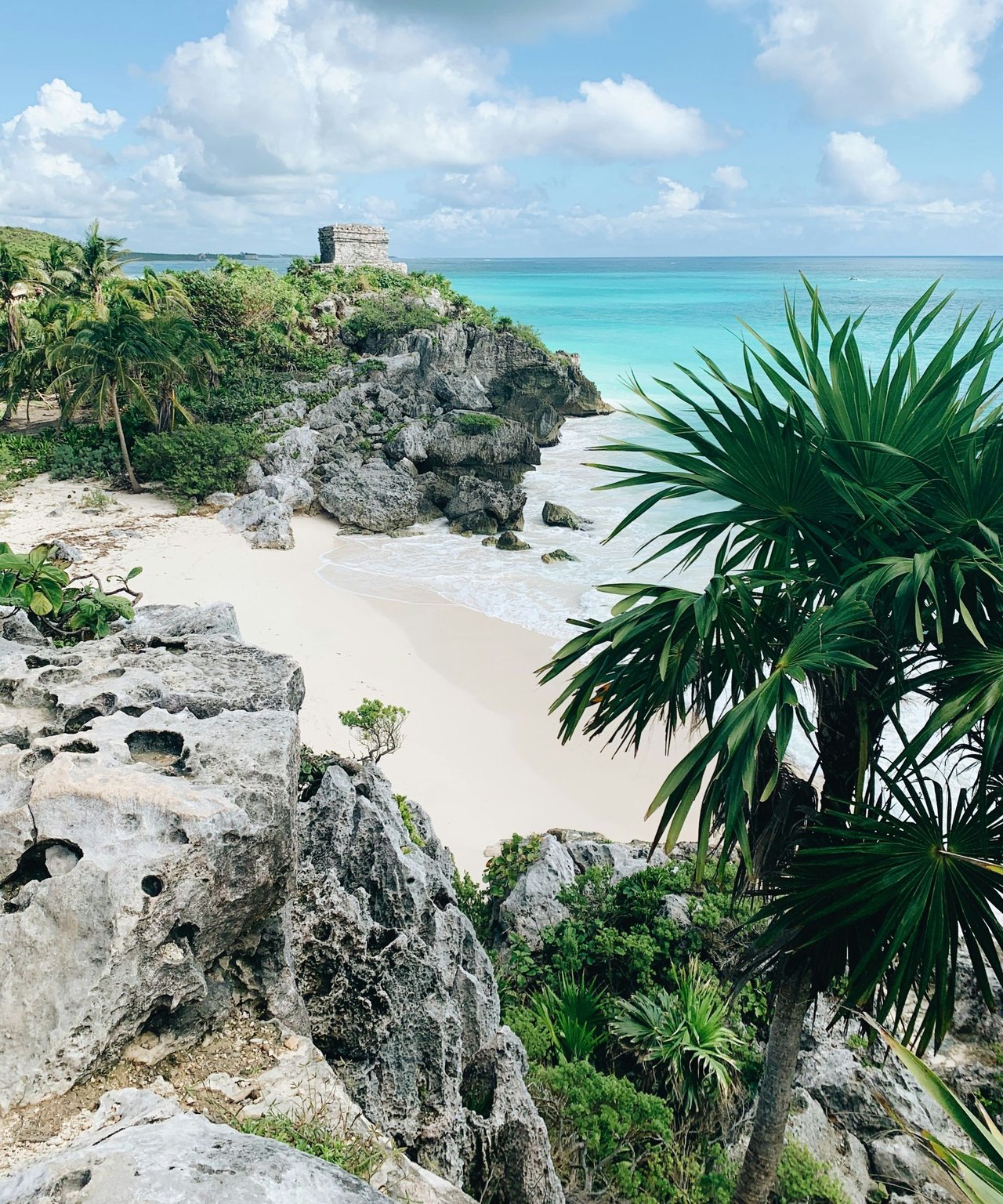
The beach side is the image many people associate with Tulum, but living there works differently from visiting it. The coast and the pueblo are separated by Avenida Cobá, and the beach road itself has very limited sidewalk infrastructure, making it less forgiving for day-to-day walking.
That means beach-adjacent ownership is usually a lifestyle-first choice, not a convenience-first one. If your ideal day centers on the shore, hospitality atmosphere, and an immersive coastal setting, that tradeoff may feel entirely worth it.
It is also helpful to understand that beach access is more managed than a simple map might suggest. Federal guidance notes access to Parque Nacional Tulum through the South and Center entries and the bridge connecting the Jaguar reserve and the park, while state officials announced additional free public beach access points inside Parque del Jaguar in late 2025.
What beach-side living really means
The beach corridor can be a strong fit if you want:
- The shoreline to anchor your daily experience
- A hospitality-driven atmosphere
- Strong appeal for guest stays centered on the coast
- A setting that feels iconic and immersive
It may be less ideal if your priority is easy errands, simple transport, or car-free daily living.
Can you live in Tulum without a car?
Yes, but it depends heavily on the zone you choose. Centro and parts of Aldea Zama are the most realistic options for buyers who want to reduce car dependence, thanks to more practical access to services and a more navigable layout.
The beach road is the hardest zone for car-free living. Biking can be an effective way to move between town and coast, but the lack of sidewalks and the spread-out nature of the beach area make daily routines less simple there.
This is one reason location should come before finishes or amenities. A beautiful property can still feel inconvenient if its surrounding mobility does not match how you plan to use it.
A simple shortlist for buyers
If you are narrowing down your search, this quick framework can help:
- Choose Centro if daily errands, walkability, and practical guest logistics matter most.
- Choose Aldea Zama if you want a balanced mix of convenience, polish, and access to Tulum’s lifestyle economy.
- Choose La Veleta if you are open to a more transitional streetscape in exchange for newer options and potential value.
- Choose the beach corridor if coastal experience and hospitality atmosphere matter more than everyday convenience.
The best choice is rarely the most famous zone. It is the one that matches how you want to live, host, and arrive in Tulum throughout the year.
The right zone supports the right ownership experience
In Tulum, lifestyle is deeply shaped by logistics. Walkability, road conditions, access to services, and the balance between town and coast all influence whether a home feels effortless or complicated once you own it.
That is especially important if you are buying from abroad or planning part-time use. A property can look exceptional on paper, but the right zone is what turns that purchase into a smooth, enjoyable ownership experience.
If you want guidance on matching your lifestyle goals with the right Tulum neighborhood, the team at ÉLEVÉE The Legacy Collection offers curated, concierge-level support for buyers seeking distinctive properties across the Riviera Maya.
FAQs
Which Tulum area is best for daily convenience?
- Centro is generally the most practical choice for day-to-day living because it offers easier access to errands, dining, shops, and transport on foot or by bike.
Is Aldea Zama a good fit for part-time owners in Tulum?
- Aldea Zama can be a strong fit for part-time owners who want a more polished residential setting with access to both everyday services and Tulum’s lifestyle-oriented areas.
What should buyers know about La Veleta in Tulum?
- La Veleta is still evolving, with public records showing ongoing paving, drainage, sewer, and street work, so buyers should expect more block-by-block variation.
Is beach-side living in Tulum easy without a car?
- Beach-side living is typically the least convenient option for car-free daily life because the beach road has limited pedestrian infrastructure and errands are less efficient there.
Does the Tulum international airport matter for owners and guests?
- Yes. The airport’s international status has improved access to Tulum, which can make arrivals easier for both owners and visiting guests.