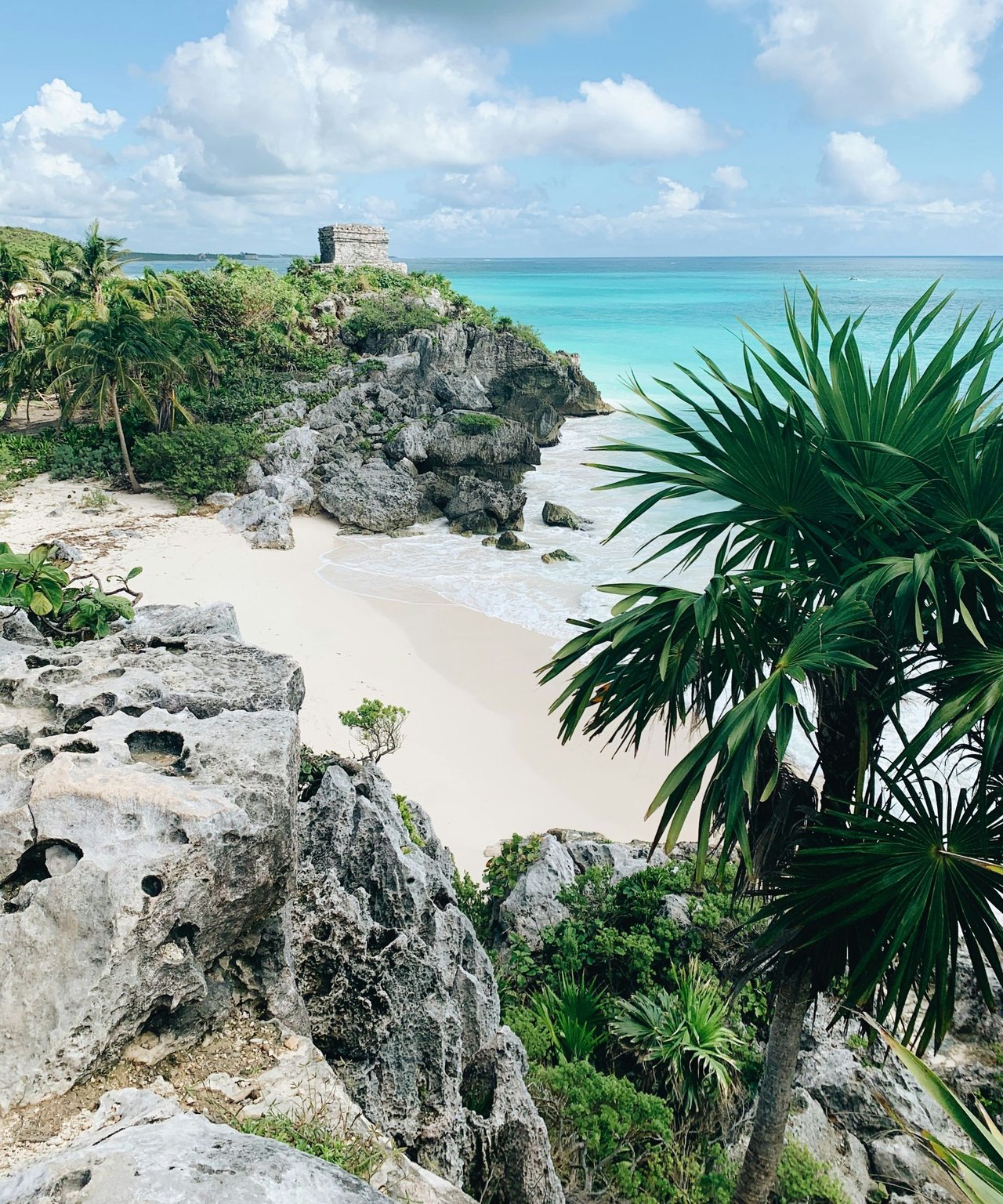
If you are drawn to Riviera Maya’s resort lifestyle and the idea of turnkey income, branded residences can look like the perfect fit. The choices are wide and the marketing is polished, which can make it hard to separate promise from proof. In this guide, you will get a clear framework to compare projects side by side and protect your upside. You will learn what to request, what fees to expect, and which red flags to avoid. Let’s dive in.
Branded residences, defined
Branded residences pair private ownership with a hotel brand’s services, standards and distribution. Global research from leading hospitality advisors shows steady growth in this category, with buyers paying a premium for service, rental channels and perceived quality. Common motivations include lifestyle amenities, hands-off management, prestige and potential liquidity at resale. In Riviera Maya, these projects often target international buyers who want both personal use and income potential.
Know your ownership path in Mexico
Most Riviera Maya properties sit in Mexico’s restricted zone along the coast. As a foreign buyer, you typically acquire through a bank trust called a fideicomiso or via a Mexican company, depending on use. The trustee bank holds legal title and you hold beneficiary rights to use, sell, finance and pass the property to heirs per trust terms. Closings require a Mexican notary and registration in the local property registry, so you should confirm trustee bank details, fees, assignment rules and timing.
Taxes vary by residency and structure. You may face acquisition taxes, property taxes, VAT on certain services, withholding on rental income and capital gains on sale. Local tax counsel can help you model your actual exposure. Also verify permits, environmental studies and any easements that could affect development or future operations.
A step-by-step evaluation framework
Brand strength and alignment
A strong brand brings reservation channels, loyalty members and pricing power. Ask how the brand is engaged: full management, a license, or a separate third-party operator. Request examples of the brand’s operating properties in Mexico or similar Caribbean markets and ask for performance context. Be cautious if the brand is only a name without a credible operating partner.
Key questions:
- Is the brand also the operator, or is operations outsourced?
- What comparable properties does the brand run in Mexico or the Caribbean, and what are the takeaways from those assets?
Red flags:
- Brand use limited to marketing without operational depth.
- No track record in comparable resort markets.
Amenities and service model
Map the full amenity stack: pools, spa, F&B, concierge, beach club access, owner-only spaces, transportation and storage. Clarify owner-use benefits like priority reservations, guaranteed nights and blackout policies. Review maintenance standards and funding for renewals so the project stays on-brand over time. Rich amenities can justify premiums, but they also carry ongoing costs.
Key questions:
- What owner-use rights and blackout dates apply?
- Who funds repairs and upgrades to shared amenities, and how are reserves built?
Red flags:
- Vague owner-use rules or shifting blackout windows.
- Amenities shared with non-branded elements that dilute the experience.
Management agreements and fees
Obtain the management agreement for hotel and residential services and any separate residential services or rental agreements. Understand every fee: base management, incentive, brand fund, reservations commission, HOA dues, utilities, FF&E and capex reserves. Note term length, renewal terms and termination rights. Strong contracts balance brand control with clear obligations and transparent reporting.
Key questions:
- What is the full fee schedule and how do incentive fees work?
- Can owners audit accounts and how often will reports be delivered?
Red flags:
- Wide operator discretion with limited performance obligations.
- Short terms with punitive early-termination penalties.
Rental program structure
If you plan to rent, confirm the program type: opt-in vs opt-out, pooled revenue vs unit-level accounting, and any guaranteed return offers. Study how gross revenue is defined, how expenses are allocated and how owner distributions are calculated. Clarify booking priorities and owner blackout dates. Ask for occupancy and ADR context from comparable assets in the region.
Key questions:
- After all fees, what percentage of rental revenue typically flows to owners?
- Are performance reports audited and delivered on a set cadence?
Red flags:
- Guarantees backed only by a thin special-purpose entity.
- Opaque revenue calculations or broad discretionary expense carve-outs.
Governance and HOA rules
Review the condominium declaration, bylaws, budgets and reserve studies. Understand voting rights, developer control during early phases and the plan to transition the board to owners. Confirm rules on subletting, permitted modifications and short-term rental compliance. Good governance protects long-term value and cost control.
Key questions:
- Who manages the HOA and when does owner control begin?
- How are special assessments authorized and capped?
Red flags:
- Open-ended developer control without a transition plan.
- Minimal reserve funding for known long-term obligations.
Reserves, operating costs and cash flow
Clarify initial FF&E, delivery standards and the replacement cycle. Review the annual operating budget, how dues are set and how reserves are funded. Confirm how major repairs are handled and whether extraordinary assessments are capped or require owner votes. Conservative reserve planning helps protect both the guest experience and your NOI.
Key questions:
- What is the annual reserve contribution and replacement schedule?
- How are large capital repairs funded and approved?
Red flags:
- Low or nonexistent reserve contributions.
- Operator discretion to spend capital without owner approval.
Construction and delivery risk
For preconstruction, confirm permits, the build timeline and milestones. Ask about deposit escrow, completion guarantees and buyer remedies for delays. Understand change-order rules and warranty coverage. Delivery risk often separates strong developers from speculative ones.
Key questions:
- What delivery milestones are contractually defined and what are the remedies for delays?
- How are buyer deposits protected if delivery fails?
Red flags:
- Missing permits or unclear environmental approvals.
- Multiple unfinished phases where success depends on future sales.
Exit and resale liquidity
Liquidity depends on brand strength, demand for short-term rentals and a healthy secondary market. Request resale comps from the developer or local brokers and identify any transfer fees, right of first refusal or lock-up periods. Confirm the marketing and brokerage support for resales within the community. A clear exit path helps protect value.
Key questions:
- What closed-sale comps exist in this project or nearby branded residences?
- Are there transfer fees or restrictions that affect timing or net proceeds?
Red flags:
- Onerous transfer restrictions and high fees.
- Marketing claims that do not match demonstrated resales.
Due-diligence checklist: documents to request
Legal and title:
- Draft fideicomiso trust deed with trustee bank, fees and assignment rules.
- Draft public deed for the unit and common areas and property registry extracts.
- Title search, encumbrances, zoning and environmental impact studies.
- Construction permits and any archaeological or protected-area notices.
Contracts and governance:
- Reservation and purchase agreement drafts.
- Condominium declaration, HOA bylaws, budget, reserve study and transition plan.
- Hotel and residential management agreements and brand license terms.
- Rental program agreement with revenue allocation and reporting.
Financial and operating:
- Project pro forma with occupancy, ADR and owner-share assumptions with sensitivities.
- All recurring fees and closing costs summarized.
- Comparable performance from similar branded assets in the region.
- Developer track record and credit information relevant to completion.
Delivery and construction:
- Construction schedule and milestones, warranties and defect procedures.
- FF&E specs and delivery standards for your unit type.
- Escrow arrangements and any completion bonds or bank guarantees.
Insurance and liabilities:
- Master insurance terms, deductibles and owner interior coverage needs.
- Operator indemnities and liability carve-outs.
Tax and regulatory:
- Local tax guidance on VAT, rental income withholding and capital gains.
- Municipal short-term rental permit requirements and compliance steps.
Operational transparency:
- Reporting cadence, sample statements and audit rights.
- Unit-level P&L, occupancy and ADR reports where applicable.
Riviera Maya micro-markets: compare before you commit
Cancún
Large, established tourism hub with deep international demand and strong airlift. Prime beachfront is scarce, supporting pricing for top brands. Expect mature competition among luxury flags. This market suits buyers seeking depth of demand and connectivity.
Costa Mujeres
A newer corridor north of Cancún with master-planned resorts. You will find newer large-scale product and opportunities with beach access. Many projects are in early phases, so track developer delivery history and infrastructure plans. Align timelines with your risk tolerance.
Playa del Carmen
Walkable town center with strong short-term rental demand and a mix of luxury condos and residences. Product differentiation by location and amenities matters for pricing and occupancy. Inventory can be high in certain segments, so focus on standout assets with clear positioning. Evaluate proximity to 5th Avenue, beach access and brand strength.
Tulum
High cachet and eco-luxury positioning with premium pricing potential. Rapid development and evolving municipal rules create delivery and permitting variability. Infrastructure like water, sewage and access routes can affect timelines and operations. Verify permits, environmental compliance and operator capabilities closely.
Puerto Morelos
A quieter coastal town drawing buyers who want lower density and a relaxed setting. Tourist infrastructure is smaller than Cancún or Playa, so demand patterns differ. This can offer value and future appreciation potential as the area matures. Confirm the brand’s distribution strategy and target guest profile.
Macro projects and timelines
Airport improvements, roads and rail can influence demand, but impacts vary by location and timeline. If a developer cites a major project as a value driver, verify its current status and realistic delivery dates. Treat unverified timetables conservatively in your underwriting.
Build your shortlist with confidence
Follow a defined process to reduce noise and focus on value.
- Define objectives: personal use, investment or hybrid; target yield or IRR; hold period and liquidity needs.
- Filter by submarket and brand: pick the areas and brand types that fit your goals and risk profile.
- Collect key documents: purchase contract, fideicomiso draft, management agreements, HOA docs and the pro forma for top projects.
- Model cash flows: run conservative, base and optimistic scenarios, including all fees, reserves and realistic occupancy and ADR.
- Qualitative review: check brand legitimacy, developer track record, governance quality and exit constraints.
- Tour and interview: visit sites, meet developer and operator teams and tour comparable operating properties when possible.
- Structure and negotiate: use local counsel to secure escrow protections, delivery milestones, audit rights and clear exit mechanics.
- Close and oversee: confirm trust registration, HOA transition timeline and post-closing reporting cadence.
Key questions at reservation and contract stage
- Who is the trustee bank and what are the annual trust fees and transfer steps?
- Can we review full management and rental program agreements before signing?
- What are total owner costs, including HOA, utilities, management, reservation fees, marketing fund and reserves?
- What backs any rental guarantee and for how long?
- What reports will owners receive and how often? Are audits permitted?
- What resale restrictions and transfer costs apply?
- Which permits are outstanding and what are remedies for delays?
Advisors to involve early
- Mexican real estate attorney experienced in fideicomisos, condos and management agreements.
- Local tax advisor for VAT, income tax withholding and capital gains modeling.
- Experienced local broker with branded product and resale comps.
- Cross-border wealth counsel for estate planning and structures.
- Independent construction consultant for preconstruction buys.
- Hospitality consultant to assess pro forma and operator terms when needed.
Ready to tour? Concierge help when you need it
If you want a curated shortlist and direct introductions to credible developers and operators, we are ready to help. ÉLEVÉE Legacy Collection offers bilingual, white-glove guidance that simplifies cross-border steps, from trust setup to turnkey delivery. For a private consultation and on-the-ground tours tailored to your goals, connect with ÉLEVÉE Legacy Collection. Schedule Your Private Tour.
FAQs
What is a branded residence in Riviera Maya?
- It is a privately owned home or condo serviced by a hotel brand, with access to amenities, standards and reservation channels that can support lifestyle and potential rental income.
How does a fideicomiso work for foreign buyers?
- A Mexican bank holds legal title as trustee, and you hold beneficiary rights to use, sell, finance and bequeath the property per the trust, with closing before a notary and registry recording.
What fees should I expect in a rental program?
- Expect management and incentive fees, brand or marketing funds, reservations commissions, HOA dues, utilities and reserve contributions, all deducted before owner distributions.
Which documents should I review before I sign?
- Request the purchase contract, fideicomiso draft, HOA bylaws and budget, full management and rental agreements, brand license terms, permits and the operating pro forma with sensitivities.
Which Riviera Maya area is best for rental income?
- It depends on brand strength, location and product fit; Cancún offers deep demand and connectivity, while Playa and Tulum can perform well with differentiated, well-managed assets.
How do exit restrictions affect resale value?
- Transfer fees, rights of first refusal and lock-ups can reduce liquidity or net proceeds, so understand all resale terms and review local comps before committing.