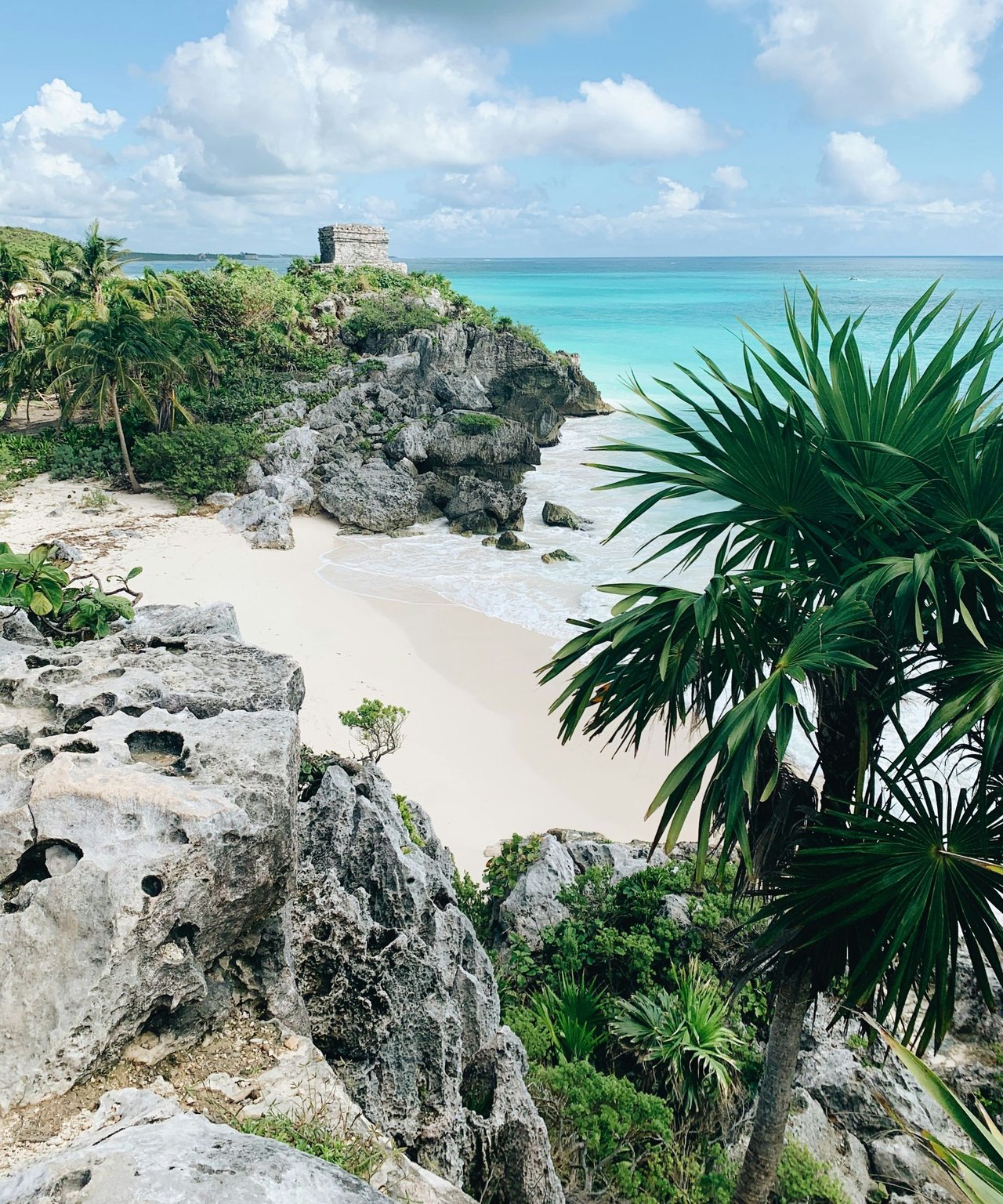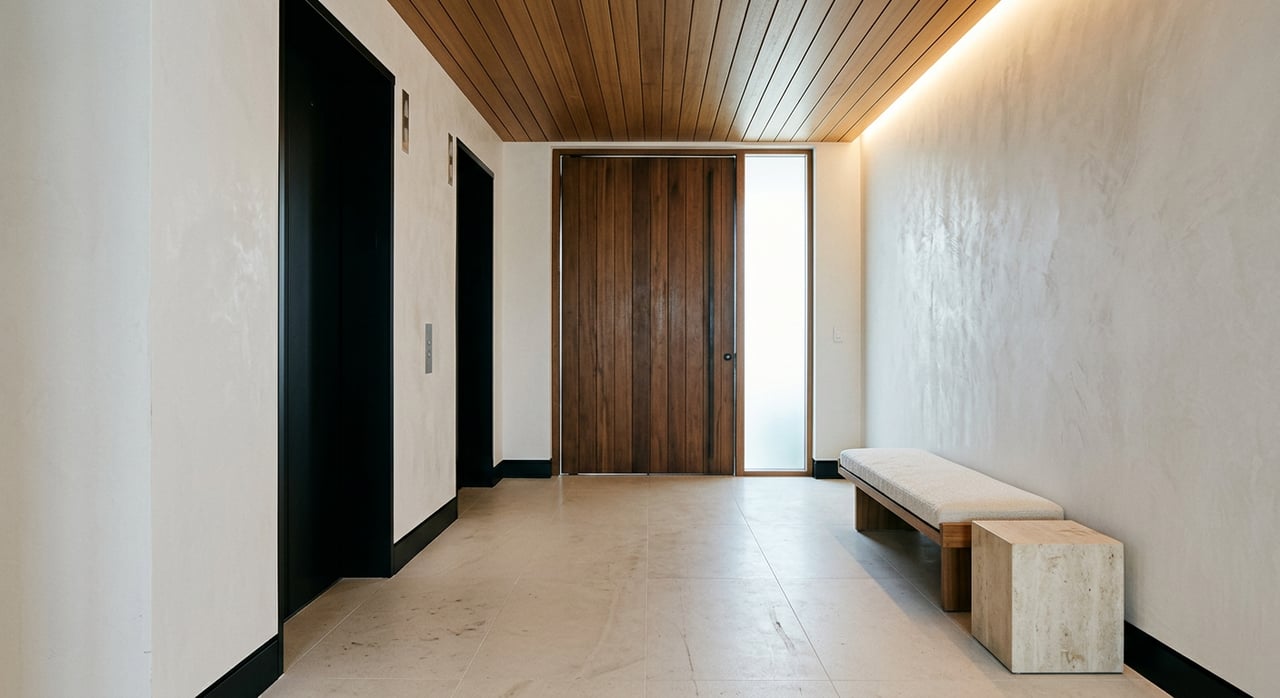
If you could wake up to Caribbean sunrises one week and step into a vibrant city scene the next, which would you choose? In Cancún, your answer often decides between a luxury condo in the Hotel Zone, Puerto Cancún, or Downtown. You want the right mix of beach access, privacy, rental potential, and day-to-day convenience. In this guide, you’ll learn how each area actually lives, what products are common, how rental rules and costs work, and the exact checks to make before you buy. Let’s dive in.
Quick take: your best fit
- Resort lock-and-leave and vacation-rental focus: Hotel Zone or Puerto Cancún. Expect premium pricing and resort-style HOAs. Verify short-term rental rules.
- Full-time living or steadier long-term rental yields: Downtown and the Huayacán corridor. Lower entry costs and strong local services.
- Hybrid lifestyle with beach access plus city convenience: Puerto Cancún or select lagoon pockets near the Zone.
Hotel Zone: resort living on the sand
What it feels like
The Hotel Zone is Cancún’s tourism core, a 20 to 25 kilometer coastal strip along Boulevard Kukulcán with beaches, hotels, dining, shopping, and nightlife. Addresses often reference kilometer markers. You get instant resort energy and postcard water views. Learn more about the layout and history of Cancún’s Hotel Zone.
Condo types and amenities
Luxury in the Zone usually means beachfront or lagoon-view high-rises with hotel-style services. Expect concierge, beach clubs, multiple pools, gyms and spas, and on-site food and beverage. Penthouses and oceanfront stacks are the trophy options, and public listings confirm this mix of product and premium positioning in the area’s inventory. See the luxury-leaning supply highlighted in public listings for the Zone.
Pros and trade-offs
- Pros: Direct beach access, strong visitor appeal, premium services, and robust security.
- Trade-offs: Higher purchase prices and HOA fees, potential noise near nightlife, and seasonality. Environmental factors like sargassum season can impact some beachfront stretches.
Access and logistics
Plan about 20 to 30 minutes to Cancún International Airport depending on traffic and pickup point. Visitor transport options are well established from the Zone to the airport and tourist hubs. See a travel context snapshot for the area on this local guide page.
Puerto Cancún: private marina urban-resort
Lifestyle and product
Puerto Cancún is a masterplanned community with a marina, golf course, shopping, and high-end residential towers. It blends resort amenities with a more private, residential feel. Many condos emphasize marina and lagoon views, and some communities offer private marina access, which is attractive if you boat or want a quieter setting near beaches and Downtown. Pricing often sits between Downtown and the top Hotel Zone listings.
Who it suits
Choose Puerto Cancún if you want security, controlled access, yacht or golf amenities, and fast connections to both the beach and city services. It is a strong fit for buyers who value a gated, polished environment without being in the heart of the tourist strip.
Downtown Cancún: local-city convenience
What it feels like
Downtown is the lived-in city center, with supermanzanas, markets and plazas, restaurants, and direct access to municipal services. You are close to everyday needs, including shops, medical services, and business corridors. It offers an authentic urban rhythm that many full-time residents prefer.
Condo types and value
You will find smaller to mid-rise condominiums, new mid-market developments along key avenues like Huayacán, and pockets of higher-end towers near major roads. Entry prices are usually more accessible per square meter than beachfront options, and public listing data shows a wider, lower price distribution compared with the Hotel Zone.
Rental dynamics to know
If you lean investor, Downtown often supports steadier long-term rental demand tied to local employment. By contrast, beachfront condos can capture higher nightly rates in high seasons, but higher purchase prices can compress yields. This trade-off is echoed in market commentary on Cancún buy-to-rent dynamics.
Market signals smart buyers watch
- Price tiers: The Hotel Zone and Puerto Cancún typically command the city’s highest condo prices, while Downtown offers broader mid-market supply and lower entry points, as shown by public listings.
- Tourism demand: Cancún’s strong international connectivity and high hotel occupancy in beach destinations support short-term rental demand in peak seasons. For context on tourism strength and cultural draw, review state tourism overviews.
- HOA and building rules: Buildings set their own rental policies. Some allow short stays, others limit or prohibit them. Always confirm rules before you buy.
Short-term rentals: rules and taxes
Regulations and building rules
Your building’s HOA bylaws and the municipality’s requirements will determine whether you can operate short-term rentals. Request bylaws in writing, including any recent amendments, and confirm whether proof of registration or local permits is needed.
Lodging tax in Quintana Roo
Paid stays are generally subject to the state lodging tax. Reporting shows Quintana Roo actively collects this tax, and some platforms may remit on behalf of hosts. Confirm the current-year rate and platform procedures with local authorities. For background on enforcement and platform remittance, review this state lodging tax report.
Revenue patterns
Beachfront units in the Zone tend to command higher average daily rates in high season and see more seasonal swings. Downtown condos usually see lower ADRs, with steadier occupancy from long-term tenants. To model returns, ask a local property manager or an STR data provider for current ADR, occupancy, and fee assumptions. Market analyses like this overview of returns can help frame expectations.
Legal and closing basics for foreign buyers
Restricted zone and bank trusts
Cancún’s coastline sits in Mexico’s restricted zone, which means foreigners typically buy via a bank trust, known as a fideicomiso. The trust requires a permit through the Secretaría de Relaciones Exteriores, and a Mexican bank acts as trustee while you retain the beneficial rights. See the federal framework published in the Diario Oficial de la Federación.
What to budget at closing
Total buyer closing costs in coastal areas commonly range around 5 to 12 percent of the purchase price. Properties that need a fideicomiso tend toward the higher end. Typical residential trust setup fees often range about USD 1,500 to 3,000, with an annual trustee fee that often falls near USD 400 to 1,200. You will also pay the acquisition tax, notary, and registration charges. Exact percentages vary by state and municipality, so have a Mexican notary outline this for your specific transaction. For a helpful overview of foreign-buyer mechanics, review this guide to purchasing as a foreigner.
Ongoing costs to model
Budget for HOA dues, municipal property tax (predial), utilities, insurance, and any annual bank-trust fee. Resort-scale properties in the Hotel Zone often carry higher HOAs due to extensive amenities and staffing, so request the current budget and reserve-fund status.
Due-diligence checklist
Use this step-by-step list before you write an offer:
- Confirm whether the condo is in the restricted zone and, if so, plan for a fideicomiso and the associated SRE permit.
- Request the HOA bylaws, house rules, and any short-term rental policy in writing. Ask for recent meeting minutes that reference rental enforcement or changes.
- Obtain the last 12 months of HOA financials and the reserve-fund statement.
- Ask a notary to run a title search through the public registry and verify the land is free of encumbrances.
- Get a written estimate of monthly HOA dues, predial, insurance, and any annual trust fee.
- If you plan to rent: request historical ADR and occupancy from the manager, and confirm how Quintana Roo’s lodging tax is collected and remitted in Benito Juárez.
- Have a bilingual real-estate lawyer or a notary detail closing costs, transfer taxes, timelines, and documents required for registration.
How to decide: three buyer profiles
- Beach-first, turnkey, strong STR: Choose the Hotel Zone or Puerto Cancún. Focus on buildings with staff, amenities, and clear rental permissions.
- Full-time living, value, steady rent: Choose Downtown or the Huayacán corridor. Prioritize proximity to services and modern construction with efficient layouts.
- Hybrid lifestyle, yacht or golf: Choose Puerto Cancún. Balance privacy and security with fast access to beaches and Downtown.
Ready to explore the right fit?
If you want curated, luxury-grade options and clear guidance on bank trusts, taxes, and rental rules, our team is here to help you match lifestyle and investment goals in Cancún. Schedule your private consultation and tours with eleveerealty.com.
FAQs
Is the Hotel Zone or Downtown better for short-term rental income?
- Beachfront units in the Hotel Zone can capture higher nightly rates in peak seasons, while Downtown often delivers steadier year-round occupancy from long-term tenants. Your yield depends on purchase price, fees, and building rules.
How long is the drive from the Hotel Zone to the airport?
- Plan about 20 to 30 minutes depending on traffic and pickup point. Private transfers and shuttles are common along Boulevard Kukulcán.
Do foreigners need a fideicomiso to buy a condo in Cancún?
- If the property is in the coastal restricted zone, yes. A bank trust holds title on your behalf, and an SRE permit is part of the process.
What closing costs should I expect on a $1M condo?
- A common range is roughly 5 to 12 percent of the purchase price, including taxes, notary, registration, and trust setup where needed. Ask a local notary for a line-item estimate.
Can my building stop me from doing Airbnb?
- Yes. HOA bylaws may allow, limit, or prohibit short-term rentals. Request the current rules in writing and confirm any municipal lodging-tax procedures before you buy.