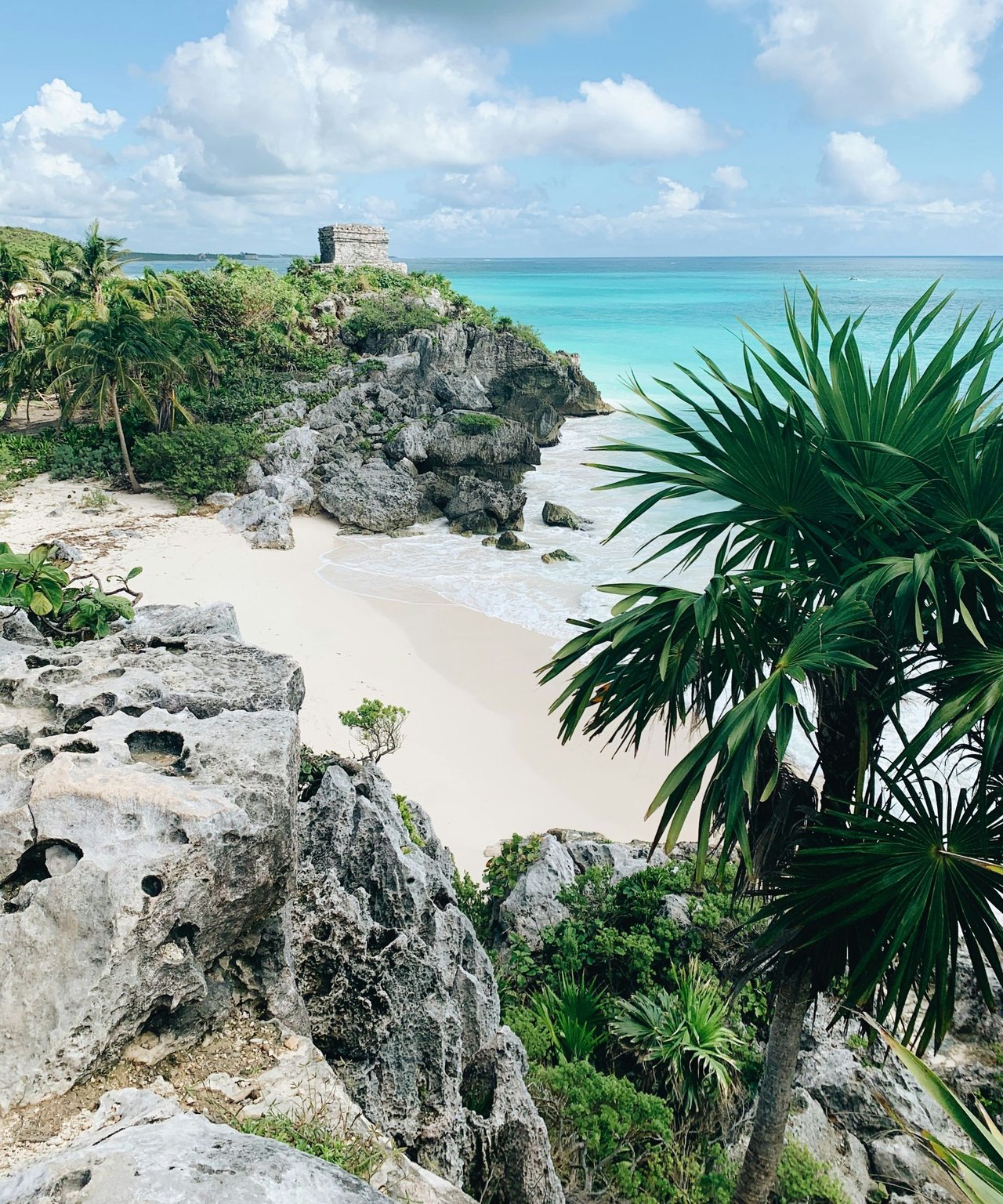
You want sunshine, a strong community, and a home that makes remote work feel effortless. Tulum offers all of that, especially if you choose the right gated community. The challenge is sorting real lifestyle value from glossy marketing and making choices that support your workday and long‑term goals. In this guide, you’ll learn how to evaluate Tulum’s gated neighborhoods for internet reliability, amenities, governance, utilities, and legal logistics so you can move with confidence. Let’s dive in.
Why gated communities fit remote work
Gated communities in Tulum appeal to remote professionals because they typically combine privacy, security, and lifestyle amenities in one place. Many newer developments are built with fiber internet, coworking or business areas, and hotel‑style comforts. You get controlled access, on‑site staff, and rules that support predictable living.
You also benefit from shared spaces that make it easy to meet neighbors and network, while having quiet hours or sound‑insulated areas for calls. If you plan to split time between stays or host guests, community rules often outline rental and occupancy standards so there are fewer surprises.
Where to look in Tulum
Aldea Zama
Aldea Zama is a master‑planned, mixed‑use area with a high concentration of condos and townhouses. Many buildings here advertise fiber internet, coworking spaces, and full amenities like gyms and pools. You can walk or bike to town services, which keeps daily life simple. Growth has been rapid, so expect some ongoing construction and more traffic in peak seasons.
La Veleta
La Veleta has expanded quickly with low‑rise condos, gated villas, and more private lots. It offers a quieter feel while staying close to town. Infrastructure varies by project, so verify road conditions, drainage, and utility connections for each development you consider. If you value space and privacy with a residential vibe, this area is worth a look.
Beach zone
Beachfront gated options are limited and command premium prices. You get direct access to the coast and strong tourism appeal. Expect stricter environmental and coastal regulations that can influence building, ownership structures, and short‑term rental permissions. Inventory is scarce, and exposure to weather events is higher along the coast.
Outskirts and peri‑urban compounds
Larger gated compounds on the edges of town trade proximity for land and price efficiency. These can feel like private retreats with robust amenity packages. The tradeoff is a longer commute to services, possible reliance on private water or septic systems, and more planning for daily transport.
Internet and workspace checks
Reliable internet is a non‑negotiable for remote work. Many new buildings in Aldea Zama and parts of La Veleta promote fiber. Actual performance still depends on provider infrastructure and in‑building wiring, so verify to the unit.
Use this quick checklist:
- Confirm the connection type to your unit. Fiber is ideal. If not fiber, confirm the provider and expected speeds.
- Ask for a recent speed test from the actual unit during business hours. Target symmetrical 50 to 100 Mbps or higher for multiple HD calls.
- Inquire about service level commitments, redundancy options, and modem placement. Poor router placement can reduce speeds.
- Test mobile backup. Telcel and AT&T generally cover Tulum, but indoor signal varies. A hotspot can keep you online if primary service drops.
- Evaluate workspaces. On‑site business centers, private meeting rooms, good lighting, and community quiet hours make long calls easier.
Lifestyle amenities that matter
Amenities can elevate daily life, especially when you work where you live. Look for a balanced, practical set that you will actually use.
Helpful features include:
- Pool and gym for stress relief and routine.
- Concierge or front desk for deliveries, maintenance coordination, and guest management.
- Housekeeping services and laundry options to save time.
- Secure parking for cars, scooters, and bikes.
- Shared lounges or rooftops that create community without compromising privacy.
Safety and security basics
Gated access, 24/7 security staff, and CCTV are common in quality communities. Ask how visitors are screened, how packages are handled, and what emergency protocols exist. Private security reduces certain risks but it does not replace broader municipal safety. Speak with residents and review recent local information to understand day‑to‑day conditions.
Utilities and operating costs
Utility realities vary by development and influence your monthly budget:
- Water and sewage. Confirm whether your unit uses municipal connections or private systems like cisterns, septic, or biodigesters. Ask about water delivery schedules, potability, and maintenance costs.
- Electricity. Grid power is available, but A/C usage can raise bills. Some owners mitigate with solar. Ask for historical bills where possible.
- Waste and municipal services. Pickup schedules and reliability can differ by zone. Understand how your community manages recycling and bulk items.
- HOA dues. Fees range widely based on amenity level and staffing. Request current budgets, reserve funds, and any pending assessments.
Renting and community rules
If you plan to rent your property, you must review two layers of rules. Municipal short‑term rental ordinances can require permits, zoning compliance, and adherence to occupancy and noise standards. Your HOA bylaws may set stricter limits, and some communities prohibit short‑term rentals altogether.
Before you buy, request:
- Full HOA documents including bylaws and house rules.
- Current budget, reserves, and recent meeting minutes.
- Written policies on rentals, pets, renovations, and use of common areas.
Legal and residency essentials
Foreign buyers commonly acquire property in Tulum using a bank trust, called a fideicomiso, or through a Mexican corporation. A local notary public manages the closing process and ensures proper registration. Engage an experienced bilingual real estate attorney early to review title, liens, and contracts.
If you plan to live in Mexico, remote professionals often hold a Temporary Resident Visa that can cover up to four years. Some applicants may qualify for Permanent Resident status. Requirements can change, so confirm with a Mexican consulate and the National Immigration Institute. Staying in Mexico more than 183 days can have tax implications, so consult an international tax specialist.
Budget for acquisition costs like notary fees, acquisition tax, and registration. Ongoing expenses include property tax, HOA dues, utilities, and insurance. If you plan to rent, Mexican tax rules apply to rental income, and capital gains tax may apply when you sell. Use reputable escrow and title services, and confirm a clear chain of title.
Risk and resilience planning
Tulum’s tropical environment is part of its appeal, and it requires planning.
- Weather. Hurricane season typically runs June through November. Review building standards, wind‑resistant features, and storm procedures. Check drainage plans and site elevation to reduce flood risk.
- Environmental protections. Cenotes, mangroves, and coastal federal zones carry restrictions that influence construction and use. Your attorney and notary can explain how these apply to a given property.
- Healthcare access. Tulum has private clinics and a municipal hospital for basic care. For specialized services, larger hospitals are in Playa del Carmen and Cancún. Some residents add medical evacuation coverage for peace of mind.
- Transportation. Public transit is limited. Many residents rely on bikes, scooters, or cars. Road quality varies by area, so test your route at different times of day.
A 7‑step buying checklist
Use this step‑by‑step process to choose the right gated community for remote work:
- Verify internet to the unit. Confirm fiber availability, get a same‑unit speed test, and plan a mobile hotspot backup.
- Audit work and lifestyle fit. Evaluate on‑site workspaces, quiet hours, lighting, and the amenities you will use weekly.
- Inspect utilities and infrastructure. Confirm water source, sewage system, drainage, and road access. Ask about service reliability and costs.
- Review HOA governance. Read bylaws, rental rules, budgets, reserves, and minutes. Check for pending assessments and renovation policies.
- Map your daily life. Measure time to town, groceries, healthcare, coworking, and the beach. Visit at different hours to feel traffic and noise.
- Confirm legal path and taxes. Choose a fideicomiso or appropriate structure, engage a notary and attorney, and model acquisition and ongoing taxes.
- Plan for resilience. Evaluate hurricane protections, flood risk, and emergency procedures. Understand security protocols and community response plans.
Work with a concierge advisor
If you want a curated shortlist of gated communities that fit your work style, amenity preferences, and legal needs, partner with a team that specializes in cross‑border transactions. A concierge brokerage will help you verify fiber to the unit, review HOA documents, structure your fideicomiso, and align rental policies with your plans.
When you are ready, ÉLEVÉE Legacy Collection can design a bespoke tour, coordinate legal and financing introductions, and deliver a turnkey path from first visit to keys in hand. Schedule Your Private Tour.
FAQs
Are gated communities in Tulum good for remote work?
- Many newer developments offer fiber internet, coworking areas, and quiet hours that support video calls and daily workflows. Always verify speeds to the specific unit.
Which Tulum area suits remote professionals best?
- Aldea Zama is walkable with newer infrastructure and many fiber‑ready buildings, while La Veleta offers more space and privacy. Beachfront options are premium and more regulated.
How do foreigners buy property in a Tulum gated community?
- Most use a bank trust called a fideicomiso or purchase through a Mexican corporation within the restricted coastal zone. A local notary and attorney guide the process.
What internet speed should I look for in my condo or villa?
- Target symmetrical 50 to 100 Mbps or higher to handle multiple HD calls and uploads. Ask for a recent in‑unit speed test and confirm provider redundancy if possible.
Can I operate short‑term rentals from my property in Tulum?
- Possibly. Municipal rules and HOA bylaws both apply, and some communities prohibit short‑term rentals. Confirm permits, taxes, occupancy, and noise standards before buying.
How accessible is healthcare if I live in a gated community in Tulum?
- Tulum has private clinics and a municipal hospital for routine needs. For specialized or emergency care, larger hospitals are in Playa del Carmen and Cancún. Some residents add evacuation coverage.