If you are choosing between Costa Mujeres and Cancún’s Hotel Zone for branded living, the real question is not which address sounds more famous. It is which ownership experience fits the way you want to live, stay, and use your property. For many second-home buyers and investors, that choice comes down to privacy versus activity, newer resort enclaves versus established tourism infrastructure, and space versus convenience. This guide will help you compare both areas clearly so you can move forward with more confidence. Let’s dive in.
Branded living basics
Branded residences are typically open-market homes tied to a recognized hospitality brand, with design standards, service layers, and a more turnkey ownership experience. According to Savills' branded residences research, buyers are often drawn to premium services, management standards, and strong amenity packages.
That matters in coastal Mexico, where many buyers are not only choosing a home but also a lifestyle platform. If you want concierge support, hospitality-style operations, and a more effortless arrival-and-departure experience, branded living can be very appealing.
For foreign buyers, there is also a legal ownership point to keep in mind. Because these coastal areas fall within Mexico’s restricted zone, residential purchases generally require a fideicomiso, as outlined by Mexico’s restricted-zone trust guidance.
Costa Mujeres at a glance
Costa Mujeres is often defined by what it is not. It is not as dense, as busy, or as built-out as Cancún’s main tourism corridor, and that is exactly the appeal for many buyers.
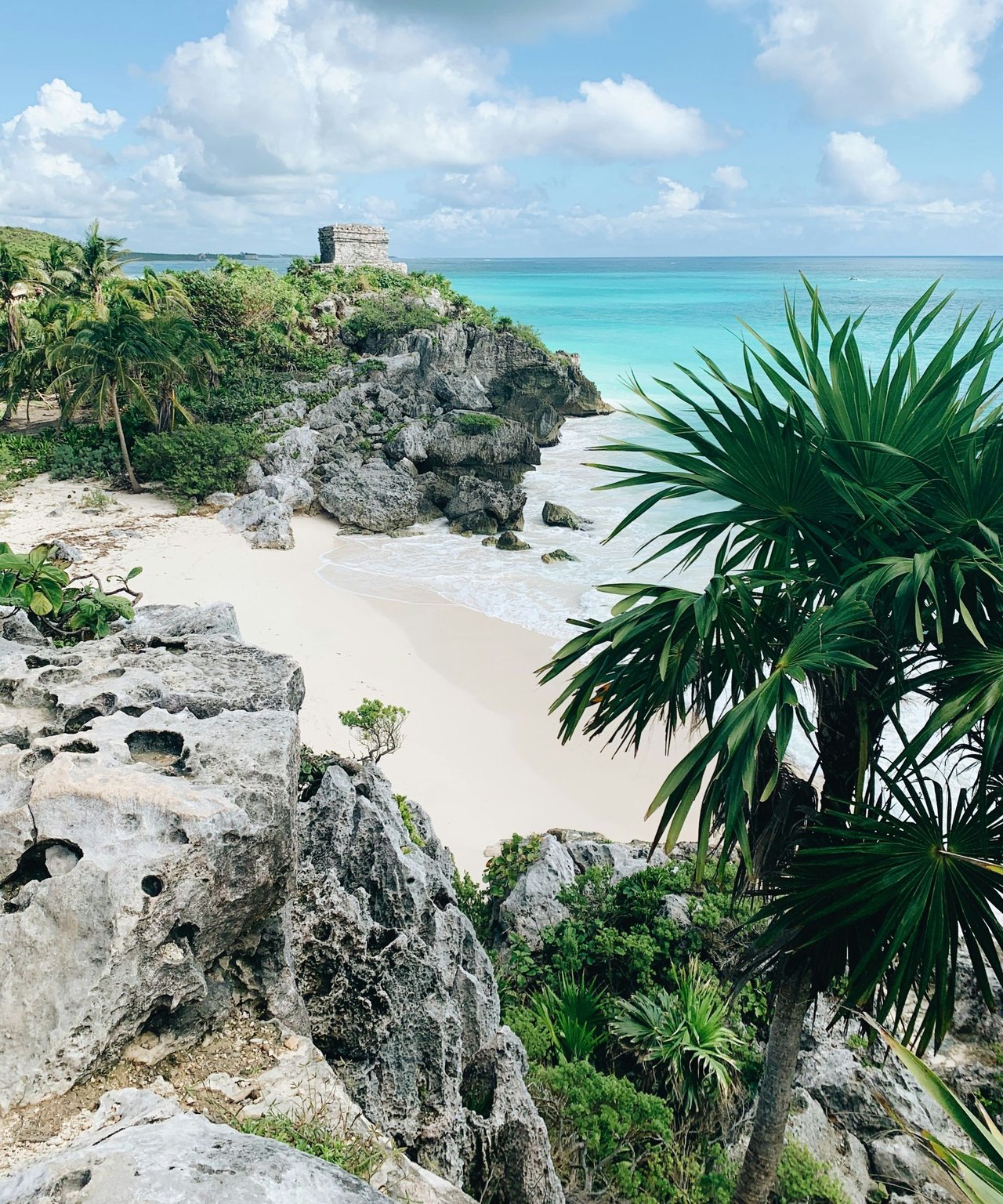
According to SITURQ destination information, Costa Mujeres is the continental zone of Isla Mujeres, known for mangroves, lush vegetation, beaches, and exclusive lodging. Hyatt also describes it as a secluded strip about 12 miles north of Cancún with reef access, which supports its quieter, more resort-contained identity.
The area is smaller by design and by inventory. Official tourism data show Costa Mujeres with 20 hotels and 9,925 rooms as of September 2025, with average occupancy of 78.6% from January through September 2025 and 900,798 tourist arrivals in that period, based on the Quintana Roo tourism dashboard report.
That smaller scale often translates into a more contained ownership rhythm. You are more likely to find a setting that feels resort-first, with fewer outside distractions and more emphasis on on-site service, beach access, and private amenities.
Cancún Hotel Zone at a glance
The Hotel Zone offers a very different structure. Instead of a newer enclave feel, it is a long-established tourism corridor with broad recognition and a much deeper amenity network.
City planning documents describe the Cancún Hotel Zone as a linear urban corridor, while destination information frames Cancún more broadly around beaches, dining, water sports, shopping, wellness, golf, and nightlife. If you want quick access to a wide range of experiences beyond your residence, this matters.
The scale gap is significant. Official state tourism data show Cancún with 5,397,807 tourists from January through September 2025, average hotel occupancy of 72.9%, and 212 hotels with 46,375 rooms in Benito Juárez/Cancún as of September 2025, according to the same Quintana Roo tourism report.
In simple terms, the Hotel Zone is the more mature and more active market. It gives you a stronger day-to-day convenience ecosystem, deeper brand familiarity, and faster connection to the broader Cancún area.
Lifestyle differences that shape your choice
The biggest difference between Costa Mujeres and the Hotel Zone is lifestyle structure. Both offer coastal branded living, but they serve very different buyer priorities.
Choose Costa Mujeres for privacy and space
Costa Mujeres is the stronger fit if you want a quieter environment, more visual separation from the city, and a setting that feels curated around the resort itself. Based on the official destination profile, smaller hotel base, and existing branded ownership format, it tends to suit buyers who value a nature-forward atmosphere and a more private sense of arrival.
This can feel especially attractive if you are shopping for a second home that should function as a retreat. You may care less about stepping out to a broad nightlife and retail corridor, and more about having beach, dining, service, and wellness integrated into one controlled environment.
Choose the Hotel Zone for activity and convenience
The Hotel Zone is usually the better fit if you want to be closer to a larger tourism ecosystem. Its appeal is not just beach access, but also immediate proximity to restaurants, nightlife, shopping, and the rest of Cancún.
For buyers who want an established address with broad recognition, this can be a practical advantage. The area already operates as a high-activity corridor, so the ownership experience is less about seclusion and more about access.
Branded residence examples in each market
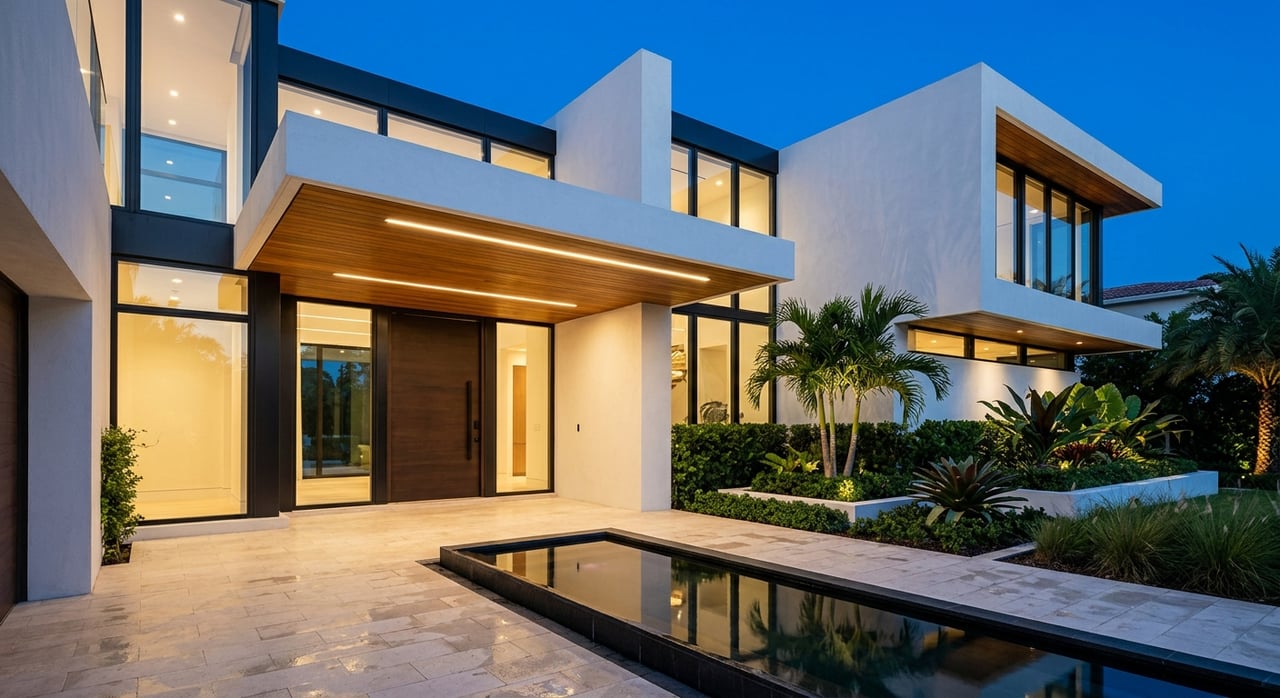
Costa Mujeres currently presents one of the clearest branded residence examples in the corridor. The Residences at The St. Regis Costa Mujeres Resort lists homes from 235 m² to 901 m² and highlights owner services including concierge, residence manager support, butler service, restaurant access, beach club access, and optional full furniture packages.
That is helpful because it shows what branded living in Costa Mujeres can look like in practice. The product leans large-format, service-rich, and resort-contained, which aligns closely with the destination’s identity.
In the broader Cancún coastal market, branded and resort-style ownership is more distributed. Marriott’s Westin Lagunamar ownership offering is in the Hotel Zone, while SLS Cancún includes residential units in Puerto Cancún, and Hyatt has also stated that Thompson Hotels Residences are planned in Cancún.
This does not necessarily make the Hotel Zone more branded in a pure sense. Instead, it suggests a wider geography of branded and resort-style product around the Cancún market, rather than a single enclave identity.
Market maturity and infrastructure
If you care about where each area sits in its development cycle, this is an important part of the comparison.
Costa Mujeres still appears to be in more of a growth and build-out phase. Quintana Roo officials have highlighted the Cancún-Costa Mujeres tourist corridor and a road project of more than 25 kilometers with more than MXN 2.7 billion in investment, according to an official state announcement.
That supports the idea that Costa Mujeres is newer, expanding, and still shaping its long-term pattern. For some buyers, that is part of the upside. For others, it means accepting that the area is less established today than Cancún’s core tourism spine.
The Hotel Zone is more mature, but maturity comes with maintenance demands. The city has said it is contributing MXN 50 million toward Hotel Zone maintenance, with annual needs estimated near MXN 200 million, while the Nichupté bridge is under construction to improve access, according to Cancún municipal reporting.
That tells you two things. First, the Hotel Zone benefits from ongoing public attention because it is a major tourism engine. Second, it is an older, higher-use corridor that requires constant upkeep.
Which location fits your buyer profile?
You do not need a universal winner here. You need the right fit for your goals.
Costa Mujeres may fit you better if you want:
- A quieter, more resort-contained environment
- Larger-format branded residences
- A newer coastal enclave feel
- Strong emphasis on privacy, service, and on-site amenities
- A second home that functions more like a retreat
The Hotel Zone may fit you better if you want:
- Broader access to dining, shopping, and nightlife
- A more established tourism address
- Stronger immediate name recognition
- A deeper daily convenience ecosystem
- Faster connectivity to the rest of Cancún
A practical way to make the decision
If you are comparing these two locations for branded living, start by thinking less about the logo on the building and more about how you will actually use the residence. The better question is whether you want your property to feel like an escape or a base.
Choose Costa Mujeres if your priority is privacy, space, and newer branded product in a more secluded environment. Choose the Hotel Zone if your priority is immediate activity, broader convenience, and a proven tourism corridor with long-standing visibility.
For many international buyers, the smartest next step is not browsing more listings. It is narrowing your lifestyle criteria first, then matching those criteria to the right ownership format, service structure, and location strategy.
If you want help comparing branded residences in Costa Mujeres and the greater Cancún market, the team at eleveerealty.com offers curated, bilingual guidance for cross-border buyers seeking a more seamless path to ownership.
FAQs
Is Costa Mujeres less crowded than Cancún’s Hotel Zone?
- Official tourism data show Costa Mujeres is a smaller market with 20 hotels and 9,925 rooms, compared with Cancún’s 212 hotels and 46,375 rooms, which supports the idea that Costa Mujeres is more resort-concentrated and less crowded in overall scale.
Is Cancún’s Hotel Zone better for branded living recognition?
- The Hotel Zone benefits from stronger legacy tourism recognition and a deeper amenity ecosystem, while branded and resort-style ownership in the broader Cancún market also extends into nearby areas such as Puerto Cancún.
Do foreign buyers need a fideicomiso in Costa Mujeres or Cancún?
- Yes. Both locations are in Mexico’s coastal restricted zone, so foreign buyers generally use a fideicomiso for residential ownership.
Are branded residences in Costa Mujeres usually larger?
- One clear example, The Residences at The St. Regis Costa Mujeres Resort, lists residences from 235 m² to 901 m², which supports the idea that Costa Mujeres can offer larger-format branded product.
Is Costa Mujeres still developing infrastructure?
- Yes. Official state information highlights continued investment in the Cancún-Costa Mujeres corridor, including a road project of more than 25 kilometers, which suggests the area remains in a growth and build-out phase.