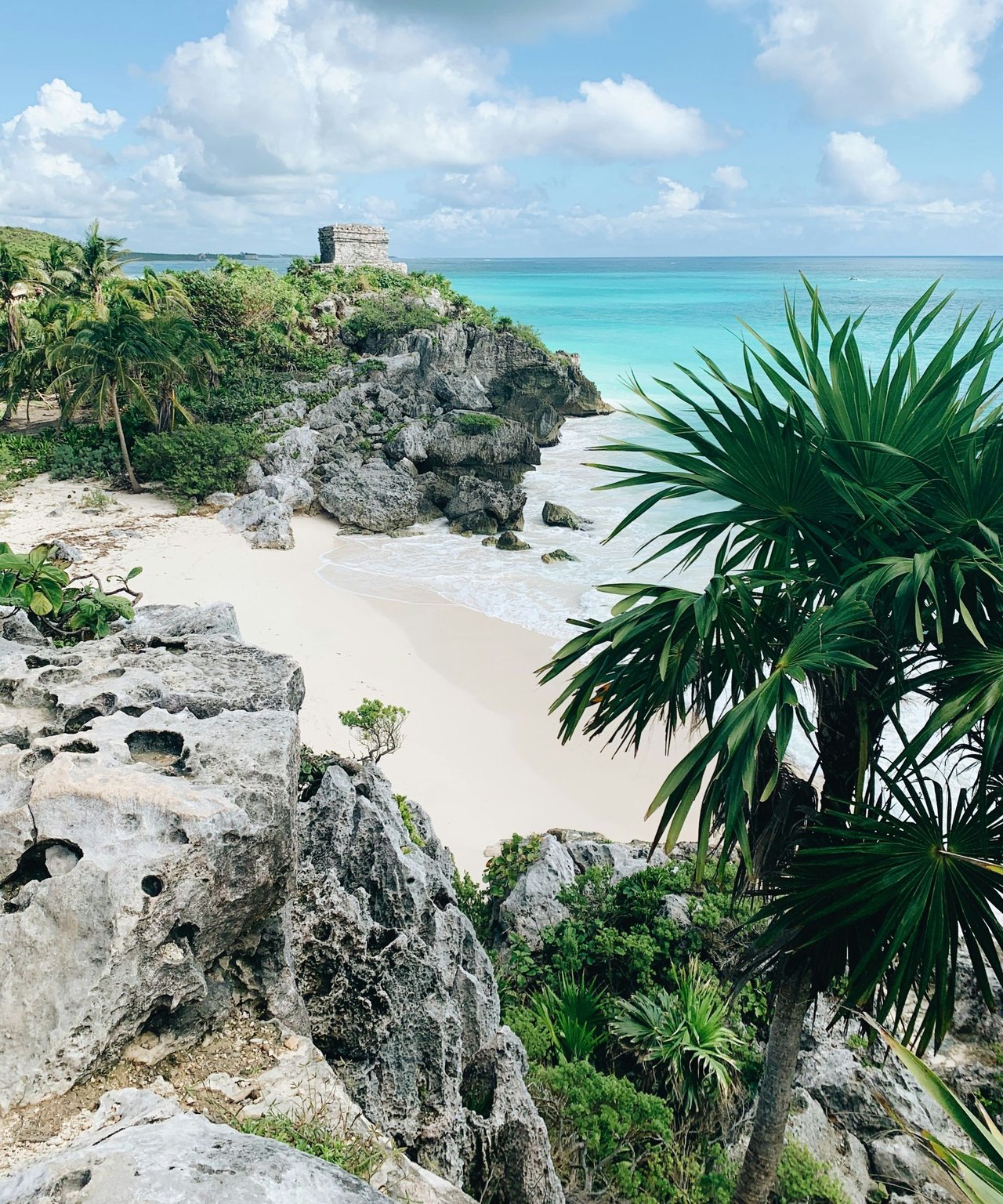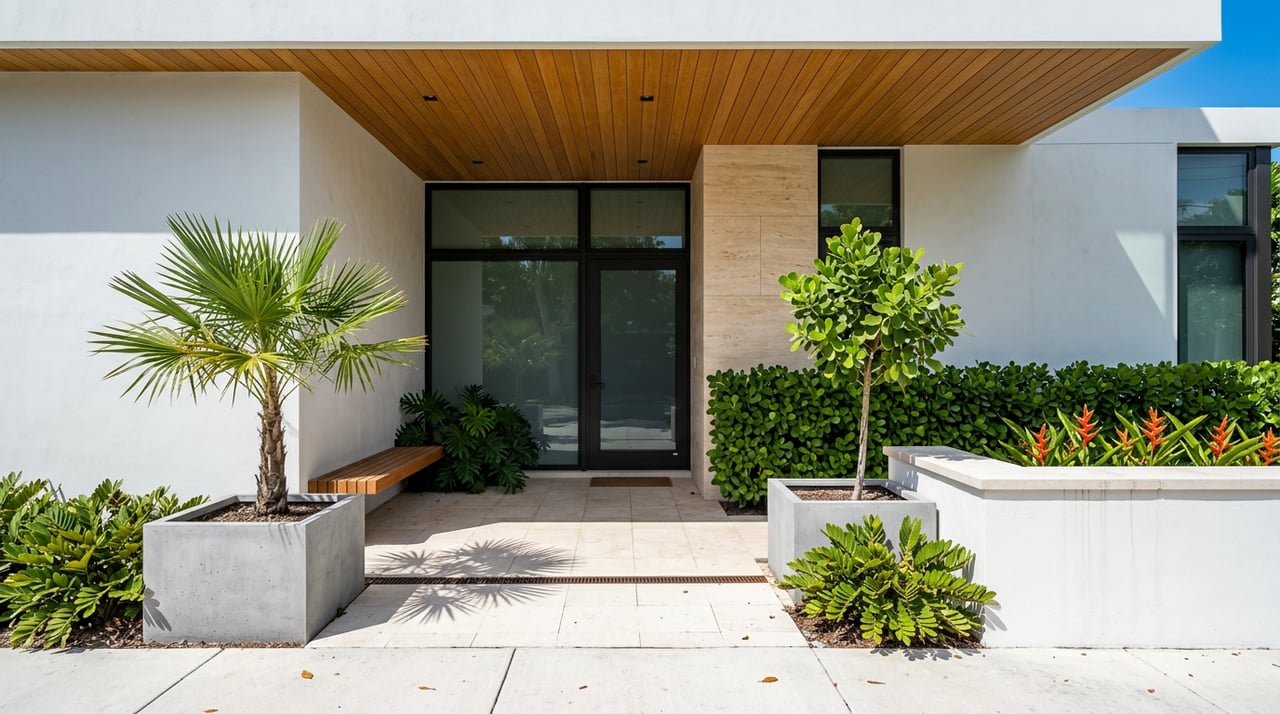
What if you could swap your car keys for flip-flops and still reach everything you need in minutes? In Playa del Carmen, that is possible when you choose the right pocket of the city. If you want an easy, walkable lifestyle with beach access, dining, and services close by, you are in the right place. In this guide, you will learn where car-free living actually works, how to cover daily needs, the best mobility options, and what to verify if you work remotely. Let’s dive in.
Where car-free living works best
Quinta Avenida and Centro
This is Playa del Carmen’s walk-first core. The pedestrian promenade, Quinta Avenida, runs parallel to the beach and concentrates restaurants, shops, and nightlife. Homes and condos within a few blocks of Quinta are often a 5 to 15 minute walk to daily essentials, from coffee and pharmacies to beach clubs and gyms. Expect more energy at night and during high season, but also the shortest daily walks. For a ground-level feel, review the detailed Quinta Avenida walk-through guide.
Playacar, Phase I and II
Playacar sits just south of Centro and offers a quieter, gated environment. Phase I is the beachfront section with villas and condos that are a short walk to the sand and the ferry area, and still close to the Quinta corridor. Phase II wraps a golf course and has many amenities. In Phase II, you will often rely on a bicycle or short taxi trips depending on the exact lot. If you want resort-style calm, easy beach access, and security, Playacar is a strong fit.
North-of-Centro pockets
Areas north of Centro, including the Coco Beach and “Shangri-La” stretches, mix residential blocks with lighter commercial activity. Many residents here prefer a bike for mid-range trips and keep walking for beach time and nearby cafes. You can still lead a low-car routine, but distances to the busiest commercial areas increase, so plan a bike-ready rhythm.
Build your 15-minute life
A good car-free plan starts with a simple map. From a given property, draw a 10 to 15 minute walking circle and list out what is inside it.
What to look for within a 10–15 minute walk:
- Beach access and your preferred stretch of shoreline.
- A small market or tienda for daily staples, plus a bakery or fruit stand.
- A pharmacy and a bank branch or ATM.
- A coworking spot or cafe with reliable Wi-Fi.
- A clinic or, ideally, a full hospital within a short ride.
Helpful anchors in central Playa:
- Supermarkets: The Walmart Supercenter on Av. 30 anchors many weekly shops for Centro residents; it is an easy taxi ride from most central addresses and sometimes walkable depending on your block. See the local listing for the Walmart Supercenter on Av. 30.
- Mall and big-box errands: Plaza Las Américas includes a Chedraui supermarket and other services useful for a larger shop, reachable by short taxi or bike from central zones. Review the Chedraui at Plaza Las Américas.
- Pharmacies and banks: You will find chains and branches along central avenues and near Quinta, which keeps small errands walkable, as noted in the Quinta Avenida guide.
- Medical care: Hospiten Riviera Maya provides 24-hour emergency services and a range of specialists. Proximity to a full hospital is a smart filter for car-free buyers. Learn more about Hospiten Riviera Maya services.
Daily mobility without a car
Walking
Centro and Quinta are designed for walking. You can cover dining, small grocery runs, beach access, and nightlife on foot. Plan for heavier pedestrian traffic during weekends and high season, as highlighted in the Quinta Avenida walk-through.
Bicycles and bike lanes
For mid-range trips, a bicycle or e-bike keeps your routine quick and flexible. The city has invested in new cycling infrastructure, and residents use a growing network of bike lanes and informal routes. Local reporting covers the inauguration of new ciclovía segments; see the update on the bike lane inauguration in Playa del Carmen. If you plan to bike within Playacar, be aware that access rules can vary by sub-community.
Scooters and e-mobility
Electric scooters are widely used for short trips. Local shops rent and sell models, and you will find options around Centro. Always follow local use rules and helmet guidance. If you prefer a rental, you can explore providers that specialize in e-scooters.
Colectivos, buses, and ferries
Shared vans called colectivos run along Highway 307 and are a low-cost way to reach nearby destinations for day trips. The ADO bus terminal near Quinta and Avenida Juárez serves regional routes for travel without a car. Get a local overview in these Playa del Carmen travel tips. Ferries to Cozumel depart from the downtown pier near Quinta, so island day trips remain simple without driving.
Taxis and private transfers
For door-to-door errands, after-dark rides, and airport or regional transfers, taxis and private shuttles are common and easy to arrange. See the local travel tips for practical guidance.
Remote work essentials
Internet and backups
Home internet in Playa del Carmen is provided by national ISPs, with fiber in many central buildings. Coverage and speeds are address-dependent, so confirm options for your exact property and run a speed test. For a coverage snapshot, review Totalplay’s coverage guide. Keep a mobile hotspot as a backup for video calls.
Coworking options
Coworking spaces around Quinta and Centro offer day passes and monthly memberships, which is ideal if you need quiet rooms or redundancy on heavy work days. You can review a roundup of established spots, such as Selina and independent spaces, in this coworking guide. If you expect daily client calls, combine a verified fiber home line with a coworking membership.
Power resilience
Coastal communities can experience service interruptions, especially during storm season. Ask about building generators, UPS for routers, and HOA communication plans. Having a hotspot plan and a simple contingency for calls keeps your routine smooth.
Seasonality, safety, and planning
Playa del Carmen’s high season runs December through April and during Easter week. Restaurants, beaches, and pedestrian areas are busier, and reservation lead times increase. The Quinta Avenida guide is a helpful reference if you want to understand the flow of the promenade across seasons.
Hurricane season in the Atlantic runs June 1 through November 30. Plan ahead by confirming your building’s storm procedures and stocking basic supplies. For seasonal context, see the National Hurricane Center’s climatology.
As with any international destination, review official guidance before you travel or relocate. The U.S. Department of State advises travelers to exercise increased caution in Mexico. Read the Mexico travel advisory, follow local guidance, and keep local emergency contacts handy.
Where car-free meets investment
If you are a second-home buyer, you will want a property that delivers both lifestyle and ease. In Playa del Carmen and the wider Riviera Maya, foreign buyers acquire coastal property through a fideicomiso (a bank trust) or, for commercial investments, through a Mexican corporation. Fideicomisos are common and renewable. You should still complete standard due diligence with a local notary and attorney.
Use this quick legal and practical checklist:
- Confirm title, escritura, and certificates, and verify the Public Property Registry status.
- Ensure the land is not ejido or communal land.
- Review HOA rules and any short-term rental policies if you intend to rent.
- Budget for acquisition taxes, notary fees, trust setup, and annual bank-trust maintenance.
- Prioritize buildings with proven internet providers and a clear power-backup plan.
Two sample car-free days
Centro life, steps to Quinta
Morning: Walk 6 minutes for a coffee and pastry, then 4 minutes to the beach for a quick swim. Midday: Stroll 8 minutes to a coworking space for video calls. Afternoon: Pick up fruit and basics at a tienda 3 minutes away, then taxi 7–10 minutes for a weekly supermarket run if needed. Evening: Dinner within a 5–10 minute walk, then a calm walk home.
Playacar rhythm
Morning: Bike 5 minutes to the beach or walk 10 minutes depending on your location. Midday: Work from home on fiber, with a backup hotspot ready. Afternoon: Short taxi to Plaza Las Américas for a larger shop; small daily items come from convenience stores inside or near the community. Evening: Quiet dinner at home or a 10–15 minute taxi to Quinta for a night out.
Is car-free living right for you?
You will thrive without a car if you want a beach-first lifestyle, do not need to commute long distances, and value a short, walkable daily rhythm. Centro and Quinta give you the highest concentration of restaurants and services within steps, while Playacar adds security and a calmer pace with quick bike or taxi access. If you work remotely, confirm fiber at your address and keep a coworking membership as a safety net. Season by season, and block by block, you can shape a lifestyle that feels both easy and elevated.
Ready to explore walkable condos by the beach, gated homes in Playacar, or branded residences near Quinta? Schedule Your Private Tour with Élevée Realty.
FAQs
What are the most walkable areas in Playa del Carmen?
- The Quinta Avenida and Centro corridor offers the highest concentration of dining, shops, and services within a 5–15 minute walk, with Playacar nearby for a quieter, gated option.
Can I live in Playacar without a car?
- Yes, especially in Phase I near the beach; in Phase II, many residents use bicycles for daily trips and take short taxis for larger errands or to reach central malls.
How do I cover groceries without driving in Playa del Carmen?
- Use nearby tiendas for daily items and combine with a weekly shop at supermarkets like the Walmart on Av. 30 or the Chedraui at Plaza Las Américas via short taxi or bike.
What mobility options replace a car in Playa del Carmen?
- Walking in Centro/Quinta, biking on growing ciclovía routes, e-scooters for short hops, colectivos on Highway 307, ADO buses for regional trips, and taxis or private shuttles when needed.
Is Playa del Carmen safe for car-free living?
- Review official guidance and exercise increased caution; follow local advice, stay aware of your surroundings, and keep emergency contacts handy when moving around on foot or by bike.
When is hurricane season in Playa del Carmen?
- The Atlantic hurricane season runs June 1 to November 30; confirm your building’s storm plan, keep supplies and a hotspot ready, and monitor official updates.
What should remote workers verify before going car-free?
- Confirm fiber availability at the exact address, have a coworking backup, ask about building power resilience, and keep a mobile hotspot for redundancy.